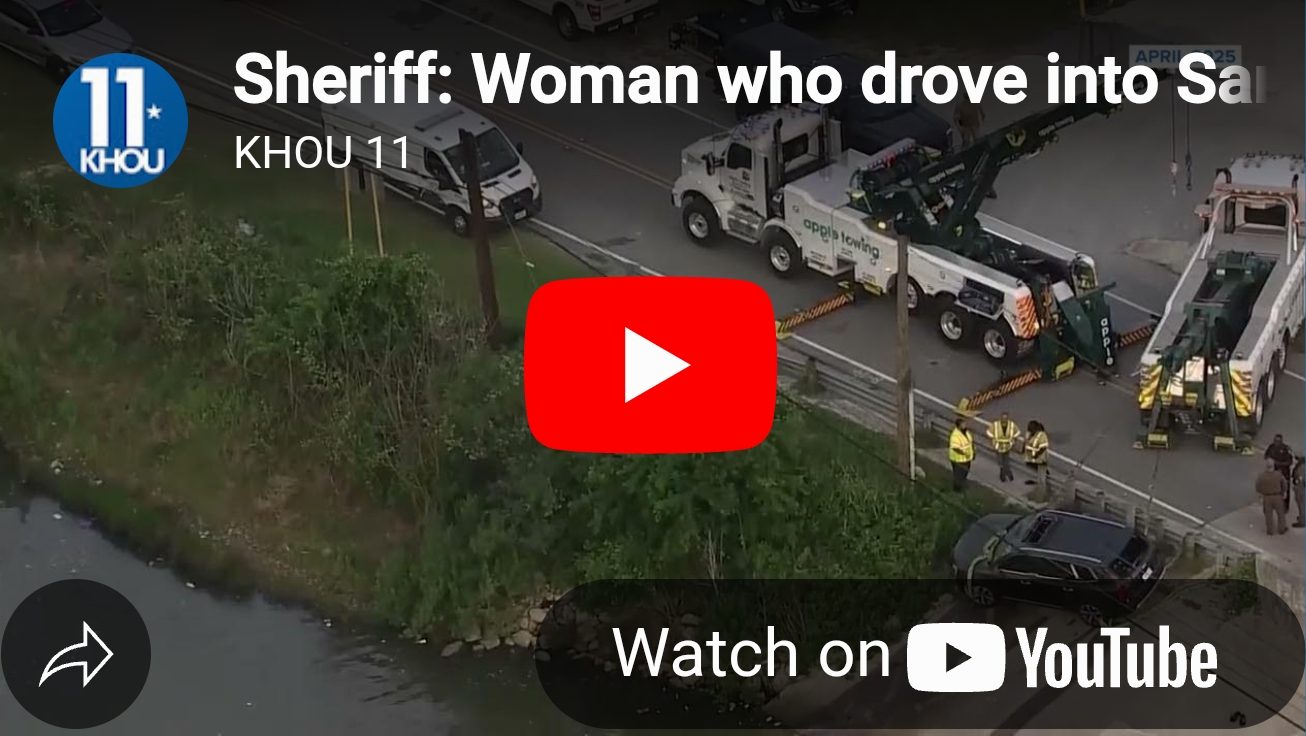
REPORT: Sheriff Ed Gonzalez reportedly says the woman who drove into San Jacinto River with kids in her SUV in April did it intentionally.
Explore Our Homepage
#TikTok Here
Follow us on #Bluesky
Texas River Tragedy: Sheriff Rep Confirms Intentional Act in San Jacinto River Case
The shocking case of a woman who drove into the San Jacinto River with children in her SUV has taken a devastating turn, as Sheriff Ed Gonzalez confirms the April incident was intentional, raising critical questions about mental health awareness and child protection in our communities.
Breaking Down the San Jacinto River Incident
The April tragedy that gripped Texas communities has now been officially classified as an intentional act. Sheriff Ed Gonzalez’s statement confirms what many investigators suspected – this wasn’t an accident or mechanical failure, but a deliberate decision that endangered innocent lives.
Key Details of the Case:
- Incident occurred in April along the San Jacinto River
- Multiple children were present in the SUV
- Initial investigations suggested possible intentional behavior
- Sheriff’s department has now confirmed deliberate action
Understanding the Investigation Process
Law enforcement agencies approached this case with extreme care, recognizing the sensitive nature of incidents involving children and potential mental health crises. The investigation likely involved:
Evidence Collection Methods:
- Vehicle forensics and mechanical inspections
- Witness testimony from the scene
- Digital evidence from phones and GPS systems
- Medical and psychological evaluations
- Review of surveillance footage from nearby areas
Sheriff Gonzalez’s confirmation represents months of careful investigation, ensuring accuracy before making such a serious public statement about intentional harm.
Mental Health Crisis Recognition
This tragic event highlights the urgent need for better mental health support systems. When adults reach such desperate states that they endanger children, it signals massive failures in our support networks.
Warning Signs Communities Should Watch For:
- Social isolation and withdrawal from family
- Expressions of hopelessness or despair
- Sudden changes in behavior or personality
- Financial or relationship stressors
- Previous threats of self-harm or harm to others
Mental health professionals emphasize that most people experiencing crisis don’t harm others, but early intervention can prevent tragic outcomes.
Child Protection Implications
The San Jacinto River case raises serious questions about how we protect vulnerable children from adults in crisis. Child welfare experts stress that prevention requires community-wide awareness and action.
Community Protection Strategies:
- Mandatory reporting training for teachers and caregivers
- Accessible mental health resources for struggling parents
- Crisis intervention hotlines with immediate response
- Family support programs that identify at-risk situations
- Legal frameworks that prioritize child safety
Media Coverage and Public Response
Sheriff Gonzalez’s announcement has sparked intense media attention and public discussion about family violence, mental health stigma, and community responsibility. Responsible reporting on such cases requires balancing public interest with respect for victims and families.
The case has become a catalyst for conversations about:
- Improving mental health services accessibility
- Strengthening child protection protocols
- Community intervention strategies
- Supporting families in crisis before tragedy strikes
Legal Ramifications and Justice System Response
With the sheriff’s confirmation of intentional action, the legal system must now determine appropriate charges and consequences. Cases involving harm to children carry severe penalties, but courts also consider mental health factors in sentencing.
Potential Legal Outcomes:
- Criminal charges related to child endangerment
- Possible attempted murder or assault charges
- Mental health evaluations for sentencing
- Mandatory treatment programs
- Long-term supervision and monitoring
Prevention and Community Action
This tragedy serves as a wake-up call for communities across Texas and beyond. Prevention requires proactive approaches that identify and support families before crisis points.
Effective Prevention Programs:
- School-based mental health screening
- Community crisis response teams
- Peer support networks for struggling parents
- Accessible counseling and therapy services
- Emergency intervention protocols
Supporting Survivors and Healing
The children involved in this incident will need extensive support to recover from this trauma. Community resources must focus on long-term healing and stability for these young survivors.
Professional trauma counselors emphasize that children can recover from even severe trauma with proper support, but it requires sustained community commitment and resources.
Moving Forward: Lessons Learned
The San Jacinto River case, now confirmed as intentional by Sheriff Ed Gonzalez, must serve as more than just a tragic news story. It should drive meaningful changes in how we support struggling families and protect vulnerable children.
Communities that successfully prevent such tragedies invest in comprehensive support systems, early intervention programs, and accessible mental health resources. The goal isn’t just responding to crisis, but preventing it through proactive community care.
This heartbreaking case reminds us that protecting children requires vigilance, compassion, and immediate action when we recognize families in distress – because the stakes are simply too high to wait.

Discover more from Your Assignment Editor
Subscribe to get the latest posts sent to your email.

