The Shocking Transformation
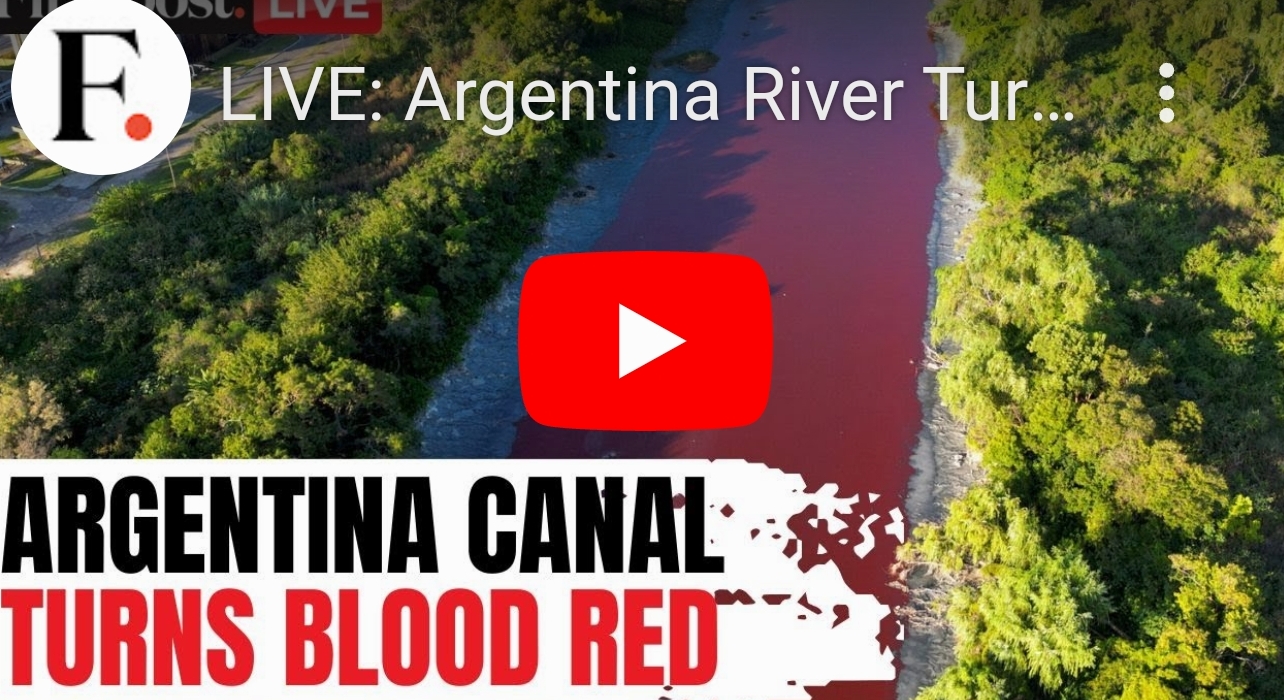
A river in Argentina’s Buenos Aires Province has turned a vivid red, leaving locals alarmed and raising serious concerns about industrial pollution. The Sarandí stream, which flows into the Río de la Plata and borders an ecological reserve, underwent the unsettling transformation in a heavily industrialized area known for its tanneries and factories.
The river’s eerie red hue, described by residents as resembling “a river of blood,” has sparked fears of contamination from nearby chemical plants.Authorities have launched an investigation, collecting water samples to determine the cause of the discoloration. Preliminary reports suggest the red color may be due to an organic dye spill rather than a toxic chemical.
However, residents remain skeptical, citing recurring incidents of pollution in the area. Over the years, the Sarandí stream has turned various unnatural colors—blue, green, and even purple—often accompanied by foul odors and oily surfaces.
Environmental Concerns in Argentina
This alarming incident highlights Argentina’s ongoing struggles with industrial waste management and environmental regulation. The Buenos Aires Province is home to numerous factories that use hazardous chemicals like aniline—a substance commonly used in dyes and pharmaceuticals but known for its toxicity. Despite regulations aimed at curbing industrial pollution, enforcement remains inconsistent, allowing companies to dump waste into waterways with little accountability.
Follow us on Bluesky
The Sarandí stream’s proximity to an ecological reserve adds another layer of concern. Contaminants from the river could seep into larger water systems like the Río de la Plata, threatening aquatic life and potentially impacting drinking water supplies for millions of people.
Recurring Pollution Issues
This is not the first time residents have witnessed such shocking transformations in their waterways. The Sarandí stream has a history of unexplained discolorations and pollution-related incidents:
- Chemical Spills: Nearby industries have been accused of dumping untreated waste directly into the river, leading to visible changes in water quality.
- Recurring Odors: Residents frequently report strong chemical smells emanating from the stream, particularly after heavy rains when runoff increases.
- Ecological Damage: Fish kills and reduced biodiversity have been observed in and around the stream due to high levels of pollutants.
Why This Matters
The transformation of the Sarandí stream is more than just a visual anomaly—it underscores critical environmental issues that have long plagued industrial regions:
- Public Health Risks: Exposure to contaminated water can lead to skin irritation, respiratory problems, and long-term health complications for nearby residents.
- Environmental Degradation: Pollutants can disrupt ecosystems, killing aquatic life and reducing biodiversity in affected areas.
- Economic Impact: Contaminated waterways can harm local agriculture and fishing industries, leading to economic losses for communities dependent on these resources.
What’s Being Done?
The Buenos Aires Environment Ministry has joined forces with local authorities to investigate the cause of the river’s discoloration. Water samples are being analyzed to identify potential contaminants, with initial findings suggesting that the substance may not be toxic. However, officials caution that further testing is needed before drawing definitive conclusions.In addition to identifying the source of contamination, authorities are reviewing environmental policies and enforcement mechanisms to prevent future incidents. Activists are calling for stricter penalties for industries that violate waste disposal regulations and greater transparency in reporting pollution data.
How You Can Help
- Report Pollution: If you notice unusual changes in your local waterways, report them immediately to environmental authorities or community organizations.
- Support Environmental Groups: Donate or volunteer with organizations working to combat industrial pollution and protect natural resources.
- Stay Informed: Follow updates on environmental issues in your region and advocate for stronger regulations to hold polluters accountable.
GO HERE FOR MORE
- BBC News: “River Turns Blood-Red Near Buenos Aires”
- ABC News International: “Pollution Fears Rise After Argentine River Turns Red”
- Reuters: “Argentina Investigates Blood-Red River Amid Industrial Pollution Concerns”
Discover more from Your Assignment Editor
Subscribe to get the latest posts sent to your email.

