The Horror Unfolds
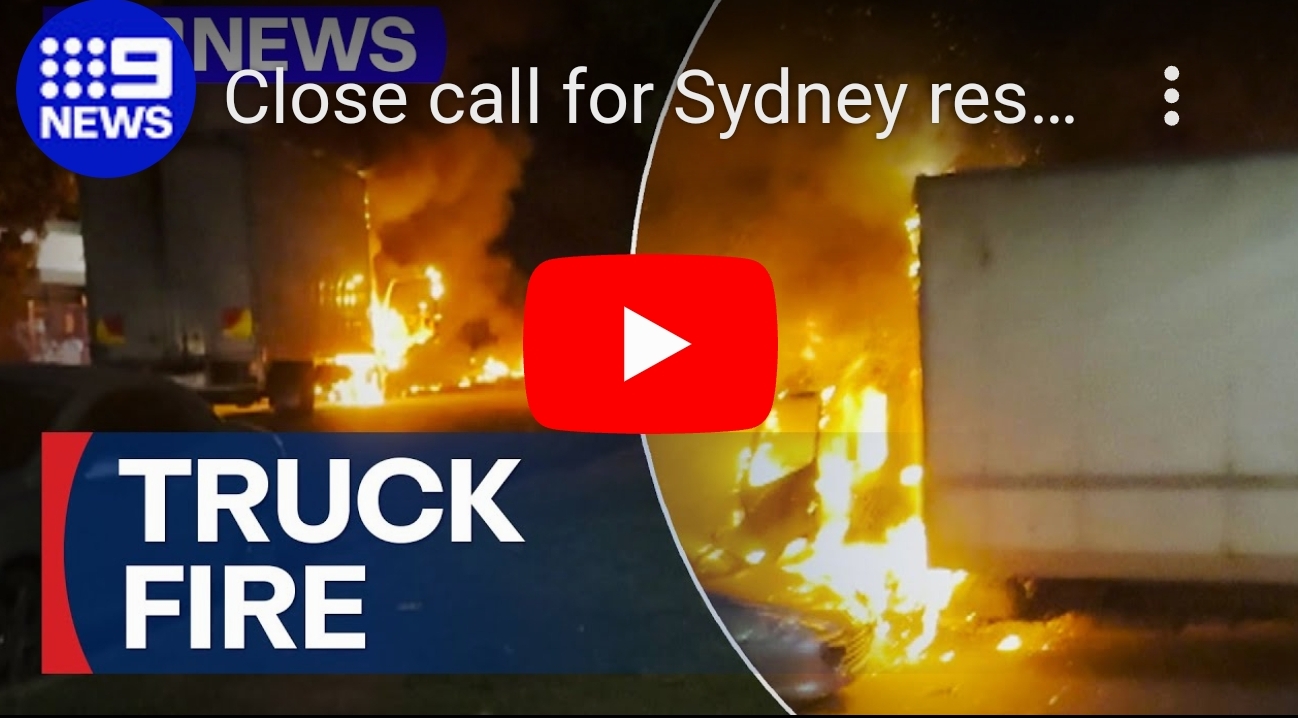
A tranquil suburban street erupted into sheer chaos when a flaming unmanned truck careened downhill, threatening homes and sparking mass panic. The fire-engulfed vehicle rolled uncontrollably, spewing thick plumes of toxic smoke and narrowly avoiding parked cars, playgrounds, and power lines. Emergency crews arrived just in time to battle the inferno, extinguishing the flames before the truck could cause catastrophic damage.
Authorities believe the truck was deliberately set ablaze, raising concerns about arson and public safety. The incident, captured on video, has since gone viral, leaving viewers stunned by the raw chaos and danger unfolding in what should have been a peaceful neighborhood. A neighborhood thrown into chaos as a flaming truck rolls by uncontrollably.
Australia’s Growing Vehicle Fire Crisis
This shocking incident is part of a growing pattern of vehicle fires across Australia, fueled by reckless arsonists and mechanical failures. Recent examples paint a grim picture of the escalating crisis:
- Stolen Vehicle Fires: A car set ablaze in a residential complex forced hundreds to evacuate as flames spread to nearby apartments. Such incidents are becoming alarmingly frequent in urban areas, leaving families displaced and neighborhoods scarred.
- Battery Explosions: Lithium-ion batteries in electric vehicles have ignited uncontrollable fires, requiring specialized equipment to extinguish. These fires burn hotter and longer than traditional vehicle fires, posing unique challenges for emergency responders.
- Industrial Blazes: Factories destroyed by vehicle-related fires have caused significant environmental damage and economic losses, with toxic fumes spreading over large areas.
Follow us on Bluesky
Why It Matters
Vehicle fires are more than just isolated incidents—they pose serious risks to public safety:
- Lives at Risk: Toxic smoke and explosions endanger residents, pets, and emergency responders. The rapid spread of flames can trap people in their homes or vehicles with little time to escape.
- Environmental Impact: Burning vehicles release hazardous chemicals that contaminate air and soil, with long-term consequences for ecosystems and human health.
- Economic Costs: Insurance premiums skyrocket in fire-prone areas, while businesses near fire zones suffer financial losses due to decreased foot traffic and increased property damage.
How It Happened
The sequence of events leading to this terrifying incident underscores the dangers of deliberate vehicle fires:
- Ignition: Authorities suspect individuals intentionally set the truck on fire using accelerants such as gasoline or propane.
- Rolling Death Trap: Flames engulfed the vehicle, melting its tires and disengaging its brakes. As a result, the truck began rolling downhill uncontrollably through the residential street.
- Emergency Response: Firefighters deployed high-pressure hoses and chemical retardants to battle the blaze while police cordoned off the area to protect residents from potential explosions.
- Ongoing Investigation: Police are reviewing surveillance footage from nearby homes in an effort to identify suspects involved in setting the fire.
The Science Behind Vehicle Fires
Vehicle fires can escalate rapidly due to several factors:
- Flammable Fluids: Gasoline, oil, and hydraulic fluids ignite easily and accelerate the spread of flames throughout a vehicle.
- Electrical Systems: Faulty wiring or short circuits can spark fires that quickly consume engine compartments or interiors.
- Lithium-Ion Batteries: Found in electric vehicles (EVs) and e-scooters, these batteries burn at extremely high temperatures and can reignite even after being extinguished.
Consider This During Vehicle Fires
- Evacuate Immediately: If you encounter a vehicle fire, move to a safe distance—at least 50 meters away—and call emergency services immediately. Never attempt to extinguish a large blaze yourself.
- Secure Parking Areas: Avoid parking vehicles near flammable materials such as dry grass or garbage bins that could exacerbate a fire’s spread.
- Be Prepared: Install smoke detectors near garages or parking areas and keep fire extinguishers rated for chemical fires on hand for small incidents.
The Community’s Response
This incident has sparked outrage among residents who are demanding stricter measures to prevent similar disasters in the future:
- Increased Surveillance: Community leaders are calling for more CCTV cameras in high-risk areas to deter arsonists and assist police investigations.
- Harsher Penalties for Arsonists: Advocacy groups are pushing for mandatory prison sentences for individuals convicted of setting deliberate fires that endanger public safety.
- Public Awareness Campaigns: Fire authorities are urging residents to report suspicious activity immediately and educate themselves on how to respond during emergencies.
The Economic Toll
Beyond its immediate impact on public safety, vehicle fires inflict significant economic damage:
- Insurance Costs: Homeowners living near high-risk areas face skyrocketing premiums as insurers adjust rates to account for increased claims related to arson or accidental fires.
- Business Losses: Shops, restaurants, and other local businesses near fire zones often experience reduced foot traffic due to road closures or safety concerns from customers.
- Environmental Cleanup Costs: Removing toxic chemicals released during vehicle fires requires specialized equipment and personnel, adding financial strain on local governments.
Technological Solutions on the Horizon
Innovations aimed at reducing the risk of vehicle fires are gaining traction:
- Smart Braking Systems: Vehicles equipped with automatic braking systems can prevent rollaway incidents during emergencies such as engine fires or electrical malfunctions.
- Fire-Resistant Materials: Automakers are exploring new materials that resist ignition or slow flame spread within vehicles’ interiors or engine compartments.
- Drone Surveillance Technology: Police departments are increasingly using drones equipped with thermal imaging cameras to detect suspicious activity near parked vehicles.
Discover more from Your Assignment Editor
Subscribe to get the latest posts sent to your email.

