Visit: our YouTube Channel
FOLLOW US ON BLUESKY
What You Need to Know:
- What is “spaving”?
- The pros and cons of this shopping trend
- How to avoid the spaving trap and save money
- Tips for mindful spending
The Lowdown:
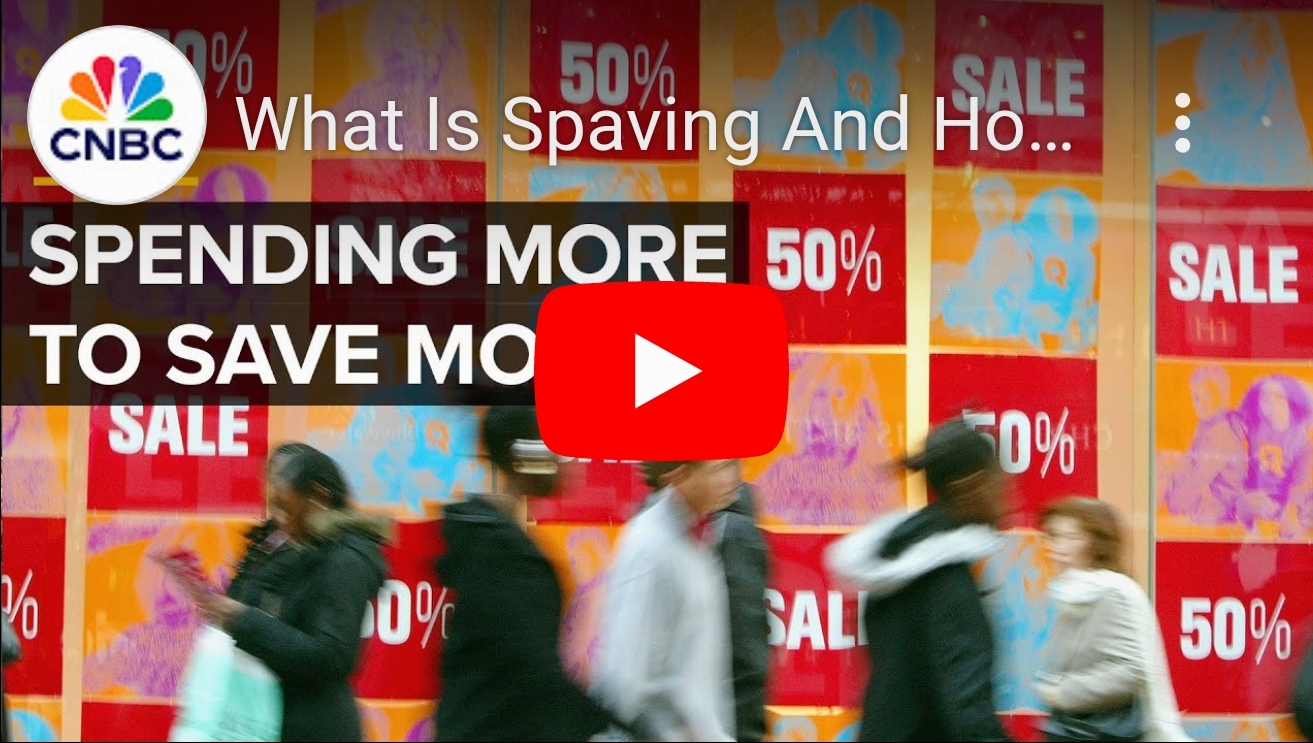
There’s a new shopping trend on the rise, and it’s called “spaving.” This unique term is a combination of “spending” and “saving,” but does it actually help you save money, or is it a clever marketing trap? Let’s unpack this trend and find out if it’s a helpful hack or a harmful habit.
What is “Spaving”?
“Spaving” is a trendy term for a common shopping behavior. It refers to when people spend money with the intention of saving money. This might sound counterintuitive, but it’s something many of us do without realizing it.
For example, you might buy three shirts instead of one to get “free shipping” or stock up on buy-one-get-one-free offers, even if you don’t need that many items. It’s a fine line, and one that retailers are keen to exploit to encourage more spending.
Breakdown of What Happened:
- “Spaving” is a portmanteau of “spending” and “saving.”
- It refers to spending money to save money, like buying more to qualify for free shipping or taking advantage of BOGO deals.
- This trend can lead to impulse purchases and overspending.
- While it can sometimes result in genuine savings, it’s important to be mindful of the potential pitfalls.
The Pros and Cons of Spaving
The concept of spaving is not inherently bad. There are situations where this strategy can work in your favor. For instance:
- Stocking up on non-perishable essentials: Buying in bulk can save money if you use all the items and they have a long shelf life.
- Investing in quality, long-lasting products: Sometimes, spending more upfront can save you money in the long run, as you won’t need to replace the item as frequently.
However, spaving can also have negative consequences:
- Impulse purchases: Spaving often encourages buying things you don’t need or hadn’t planned for, leading to unnecessary spending.
- Spending more than intended: It’s easy to get carried away and spend more than you originally budgeted, especially with deals that seem too good to miss.
- Exploiting psychological biases: Marketers know that people love the idea of getting something for “free,” and this can cloud our judgment, making us more likely to spend.
How to Avoid the Spaving Trap
Being mindful of your spending habits is key to avoiding the potential pitfalls of spaving. Here are some tips to help you save wisely:
- Stick to your budget: Only spend what you’ve planned, and avoid impulse purchases.
- Be aware of marketing tactics: Recognize when retailers are using spaving strategies to encourage you to spend more.
- Buy in bulk wisely: Only buy in bulk if you’re certain you’ll use all the items, and they won’t go to waste.
- Reduce temptation: Delete saved payment information and unsubscribe from deal notifications to make it less convenient to spend impulsively.
The Takeaway
While spaving can sometimes lead to genuine savings, it’s important to approach it with caution. Being mindful of your spending habits and understanding the tricks retailers use can help you save money without falling into the spaving trap.
So, what do you think? Is spaving a helpful strategy or a harmful habit? Share your thoughts in the comments!
Additional Sources:
- [1] What is ‘spaving,’ and is this new shopping trend good or bad?
- [2] Spaving: What Is It and How to Avoid It?
- [3] Spending to Save: When “Spaving” Actually Costs You | WellCents
Discover more from Your Assignment Editor
Subscribe to get the latest posts sent to your email.

