Visit: our YouTube Channel
FOLLOW US ON BLUESKY
Key Takeaways:
- Fake QR codes are being placed on parking meters, tricking users into entering their personal and financial information on fraudulent sites.
- Scammers use these codes to steal credit card details and other sensitive information, leading to unauthorized charges.
- Cities like Fort Lauderdale and San Clemente have reported multiple incidents of this scam affecting parking meters.
- Learn how to spot these fake codes and protect yourself from falling victim to this growing parking scam.
QR CODE SCAM: Fake Parking Codes Steal Your Money—Stay Alert!
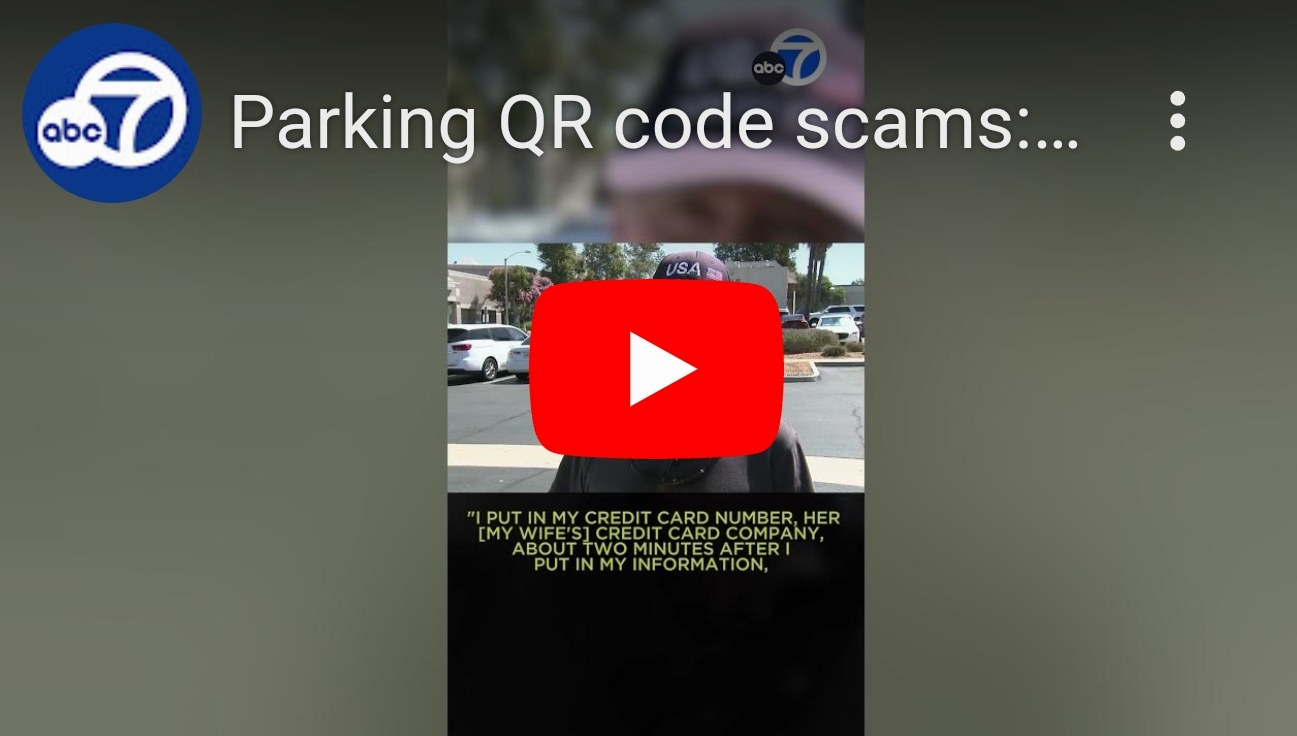
In a sneaky new scam targeting drivers across the country, criminals are placing fake QR codes on parking meters, tricking unsuspecting users into entering their personal and financial information on fraudulent websites. These scams have been reported in cities like Fort Lauderdale and San Clemente, where scammers have been able to steal credit card details from people simply trying to pay for parking.
The Scam: How It Works
Scammers place counterfeit QR code stickers on parking meters:
- When users scan the fake code, they are redirected to a fraudulent website that looks like a legitimate parking payment site.
- Once users enter their credit card details or other personal information, the scammers can use that data to make unauthorized charges or steal their identity.
In some cases, these fake websites even mimic well-known parking apps like “ParkMobile” or “PayByPhone,” making them difficult to spot.
Recent Incidents
Several cities have reported incidents of this scam:
- In Fort Lauderdale, city workers discovered fake QR codes on multiple parking meters and signs. The city quickly removed the stickers but warned residents to be cautious.
- In San Clemente, over 150 parking meters were found with counterfeit QR codes in August. Many drivers fell victim before the scam was discovered.
These incidents have raised concerns about how widespread the problem may be.
How to Protect Yourself
Here are some tips to avoid falling victim to a QR code scam:
- Inspect the QR Code: Check if the code looks like it has been tampered with or pasted over an existing one. Legitimate codes will usually be integrated into the signage.
- Verify the URL: Before entering any personal information, ensure that the website URL is correct and matches the official parking service.
- Use Official Apps: Download official parking apps directly from trusted sources like Google Play or the Apple App Store instead of scanning random codes.
- Pay at Meters Directly: If you’re unsure about a QR code, use coins or a credit card directly at the meter instead of scanning.
What’s Next?
As more cities become aware of these scams, local governments are working with law enforcement agencies to remove fake QR codes and educate the public. Authorities are urging anyone who has fallen victim to report it immediately so that further action can be taken.
Additional Sources:
- Scam Alert: Fort Lauderdale Warns About Fake QR Code Stickers
- QR Code Scam Targeting Parking Meters Uncovered by Fort Lauderdale City Workers
- Pay-to-Park Scam Hits South Florida: What Drivers Need to Know
- Fort Lauderdale Officials Warn of QR Code Scam on Parking Meters
This growing scam has left many questioning how safe it is to use QR codes in public spaces. Stay tuned as we follow this developing story—could more cities fall victim? Share your thoughts below!
Visit: our YouTube Channel
FOLLOW US ON BLUESKY
Discover more from Your Assignment Editor
Subscribe to get the latest posts sent to your email.

