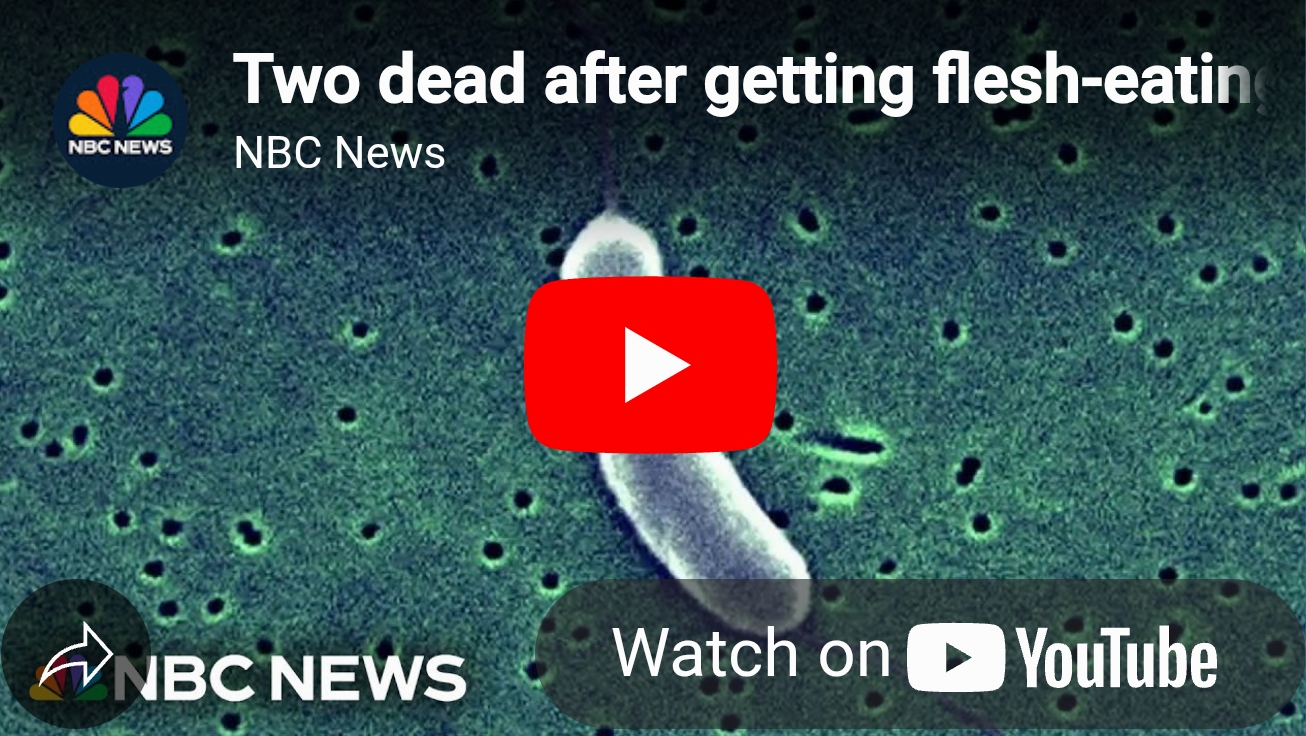
REPORT (NBC): Two people in Louisiana have died after eating raw oysters contaminated with Vibrio, a dangerous flesh-eating bacteria that thrives in warm Gulf waters. Health officials report dozens of other cases and several deaths across the region this year, warning people to avoid raw shellfish and swimming with open wounds.
Explore Our Homepage
#TikTok Here
Follow us on #Bluesky
Two DEAD After Getting Flesh-Eating Bacteria from Raw Oysters in Louisiana
The recent deaths of two Louisiana residents from flesh-eating bacteria contracted through raw oyster consumption have sent shockwaves through the Gulf Coast community. These tragic cases highlight the serious health risks associated with Vibrio vulnificus, a dangerous pathogen that thrives in warm coastal waters.
Understanding Vibrio Vulnificus: The Silent Killer
Vibrio vulnificus represents one of nature’s most aggressive bacterial infections. This flesh-eating organism flourishes in warm saltwater environments, making Gulf Coast waters particularly susceptible during summer months. The bacteria can enter the human body through two primary routes: consumption of contaminated raw shellfish or exposure through open wounds while swimming.
Health officials report that water temperatures above 68°F create ideal breeding conditions for this pathogen. Louisiana’s warm Gulf waters provide the perfect environment for Vibrio bacteria to multiply rapidly, especially during peak summer season.
The Louisiana Cases: A Deadly Pattern Emerges
The two recent fatalities represent part of a broader pattern affecting the Gulf Coast region. Louisiana health authorities have documented dozens of Vibrio cases this year alone, with several resulting in death. These numbers reflect a concerning trend that extends beyond state borders, affecting communities throughout the Gulf region.
Medical experts emphasize that Vibrio infections can progress with alarming speed. Patients may experience initial symptoms within hours of exposure, and the condition can become life-threatening within 24-48 hours without proper medical intervention.
Recognizing Vibrio Infection Symptoms
Early Warning Signs Include:
- Sudden onset of severe abdominal pain
- Nausea and vomiting
- Diarrhea (often bloody)
- Fever and chills
- Skin lesions or blistering
Advanced Symptoms May Present As:
- Rapid tissue death (necrotizing fasciitis)
- Severe swelling and discoloration
- Septic shock
- Multi-organ failure
The key to survival lies in recognizing these symptoms early and seeking immediate medical attention. Emergency room physicians familiar with Vibrio cases stress that time is critical when treating these infections.
High-Risk Populations: Who Faces Greatest Danger
Certain individuals face elevated risks when exposed to Vibrio bacteria. People with compromised immune systems, liver disease, diabetes, or chronic kidney conditions show higher susceptibility to severe infections. Age also plays a significant factor, with adults over 65 experiencing more severe complications.
Individuals taking immunosuppressive medications or those with recent surgical procedures should exercise extreme caution around raw shellfish and warm saltwater environments. Even healthy individuals can develop serious infections, though their recovery rates tend to be higher with prompt treatment.
Raw Oyster Safety: Prevention Strategies That Save Lives
Safe Consumption Practices:
- Only eat oysters from reputable, licensed dealers
- Ensure oysters are properly refrigerated before consumption
- Look for shells that close when tapped (indicating freshness)
- Avoid oysters with cracked or damaged shells
- Consider cooked alternatives during peak summer months
Cooking Guidelines:
- Boil oysters for 3-5 minutes after shells open
- Fry at 375°F for at least 3 minutes
- Bake at 450°F for 10 minutes
- Steam for 4-9 minutes
Proper cooking destroys Vibrio bacteria, making shellfish safe for consumption. The “R month” rule (eating raw oysters only during months containing the letter R) provides additional protection during cooler seasons.
Water Safety: Protecting Yourself While Swimming
Gulf Coast residents and visitors must take precautions when entering warm saltwater. People with open wounds, cuts, or recent piercings should avoid water contact entirely. Even minor scratches can provide entry points for Vibrio bacteria.
Water Safety Recommendations:
- Cover all wounds with waterproof bandages
- Shower immediately after water contact
- Clean and disinfect any cuts or scrapes
- Avoid swimming if you have compromised immunity
- Stay out of water for 24 hours after getting tattoos or piercings
Medical Response: Treatment Options and Outcomes
Vibrio infections require aggressive antibiotic treatment, often involving multiple medications administered intravenously. Common treatments include doxycycline, ciprofloxacin, or ceftazidime, depending on the infection’s severity and location.
Severe cases may require surgical intervention to remove dead tissue and prevent further spread. Some patients need multiple surgeries, and amputation becomes necessary in extreme cases to save lives.
Early intervention dramatically improves survival rates. Patients who receive treatment within the first 24 hours show significantly better outcomes compared to those who delay medical care.
Public Health Response: Louisiana’s Action Plan
Louisiana health officials have intensified monitoring efforts following these recent deaths. The state’s surveillance system tracks Vibrio cases statewide, providing real-time data to healthcare providers and the public.
Educational campaigns now target high-risk communities, emphasizing prevention strategies and symptom recognition. Public health workers are collaborating with seafood industry representatives to ensure proper handling and storage practices.
The Economic Impact: Balancing Safety and Industry
Louisiana’s oyster industry contributes millions to the state’s economy, supporting thousands of jobs across coastal communities. The challenge lies in maintaining public safety while preserving this vital economic sector.
Industry leaders are working with health officials to develop enhanced safety protocols and consumer education programs. These efforts aim to reduce infection risks while maintaining consumer confidence in Louisiana seafood products.
Climate Change Connection: Rising Temperatures, Rising Risks
Scientists link increasing Vibrio cases to rising ocean temperatures caused by climate change. Warmer waters extend the bacteria’s active season and expand its geographic range northward along the Atlantic coast.
Research indicates that Vibrio-related infections could increase by 50% over the next two decades if current warming trends continue. This projection underscores the need for enhanced surveillance and prevention strategies.
What You Can Do: Personal Protection Strategies
Protecting yourself and your family from Vibrio infections requires vigilance and informed decision-making. Stay informed about local water conditions through health department advisories and beach monitoring programs.
When dining out, ask restaurants about their oyster sourcing and handling practices. Reputable establishments will gladly share information about their seafood suppliers and safety protocols.
Consider alternatives to raw oysters during peak summer months. Cooked shellfish provides the same nutritional benefits without the associated risks.
Looking Forward: Prevention and Awareness
The tragic loss of two lives in Louisiana serves as a stark reminder of Vibrio vulnificus dangers lurking in Gulf Coast waters. These deaths underscore the critical importance of public awareness, proper food handling, and immediate medical attention when symptoms appear.
As we move forward, continued education and prevention efforts will be essential in reducing future casualties. By understanding the risks and taking appropriate precautions, we can enjoy Gulf Coast waters and seafood while minimizing our exposure to this deadly flesh-eating bacteria from raw oysters in Louisiana.
Discover more from Your Assignment Editor
Subscribe to get the latest posts sent to your email.

