Explore Our Homepage
#TikTok Here
Follow us on #Bluesky
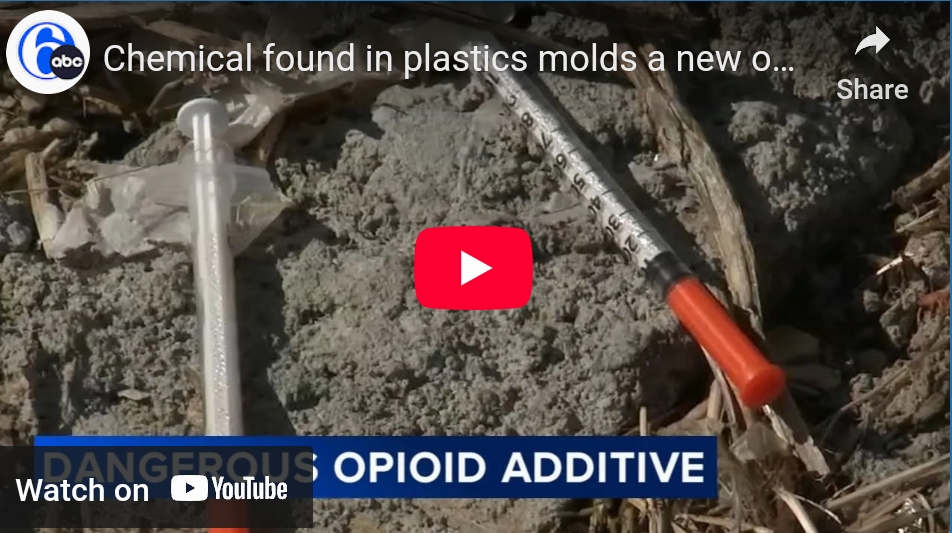
Philadelphia’s opioid crisis has reached a terrifying new level with the discovery of BTMPS, an industrial-grade plastic chemical contaminating over half of the city’s fentanyl supply, according to multiple media sources. This non-pharmaceutical additive, designed for use in car parts and packaging, has been detected in concentrations higher than the drugs themselves. Published reports indicate that public health officials are raising urgent alarms about the unpredictable dangers posed by this toxic substance.
FROM PLASTIC FACTORIES TO DRUG CORNERS
What Is BTMPS?
BTMPS, a chemical commonly used to protect plastics from UV rays and heat damage, has no business being in the human body, according to media reports. Originally developed for industrial applications like sealing car bumpers and food packaging, this substance is now infiltrating Philadelphia’s fentanyl supply at alarming rates. Published reports confirm that it has no medical or pharmaceutical use, making its presence in street drugs particularly troubling.
Unlike other drug contaminants like xylazine, BTMPS isn’t even a drug—it’s described in media stories as pure industrial poison. Public health experts cited in multiple reports describe it as a “chemical-grade nightmare” that has rapidly spread across the country.
A Rapidly Spreading Threat
The Philadelphia Department of Public Health first issued an advisory about BTMPS contamination in late 2024 after detecting it during routine drug sampling programs, according to published reports. Media sources indicate that the chemical was initially found in 25% of tested fentanyl samples but surged to 55% by November 2024.
What particularly alarms public health officials, according to media stories, is how quickly this contaminant has spread. By September 2024, researchers found that 56% of fentanyl samples in Los Angeles also contained BTMPS, suggesting contamination is happening early in the production chain, likely during large-scale manufacturing in overseas drug labs.
“The opioid supply is changing extremely rapidly—day-to-day, hour-to-hour,” harm reduction workers reportedly told local news outlets. “I’ve never seen it transition as quickly as we’re seeing it transition now.”
[Stay ahead of the curve — subscribe to YAE now or bookmark us today to get instant access to the most viral news, jaw-dropping crime stories, and exclusive scam exposés delivered right to you!]
CHEMICAL LEVELS THAT OUTPACE FENTANYL
More Plastic Than Drug
According to multiple media reports, the most shocking aspect of BTMPS contamination isn’t just its presence but its overwhelming concentration levels:
- In Philadelphia samples, BTMPS levels were nearly double those of fentanyl.
- Some batches reportedly contained 18% plastic chemical, compared to just 2% fentanyl.
- Nationally, some samples were found to contain seven times more BTMPS than fentanyl, with the chemical making up over half of certain products sold as opioids.
These findings underscore how industrial chemicals are increasingly dominating illicit drugs, raising serious questions about long-term health risks and overdose implications, according to public health data and forensic analyses cited by media sources.
HORRIFYING HEALTH EFFECTS
Toxic Symptoms Reported by Users
People consuming BTMPS-laced drugs have reported terrifying side effects, according to multiple media stories:
- A chemical stench described as “bug spray” or “burnt plastic.”
- Severe burning sensations when injected.
- Blurred vision and burning eyes after use.
- Bloody coughs and lung irritation from smoking contaminated substances.
Animal Studies Reveal More Dangers
While human studies on BTMPS are nonexistent, animal research paints a grim picture:
- Rats exposed to the chemical suffered heart muscle damage and calcium channel disruption.
- The substance has been linked to sudden cardiac arrest in high doses.
- Safety data lists it as a severe health hazard capable of causing reproductive harm and skin corrosion.
Experts warn that regular exposure to this chemical could lead to long-term damage or even death—especially for individuals already vulnerable to opioid addiction.
[Stay ahead of the curve — subscribe to YAE now or bookmark us today to get instant access to the most viral news, jaw-dropping crime stories, and exclusive scam exposés delivered right to you!]
PHILADELPHIA’S RESPONSE TO THE CRISIS
Public Health Scrambles for Solutions
According to published reports from local health officials:
- The city issued a health alert about BTMPS contamination in late 2024 after detecting it during routine drug testing programs.
- Harm reduction organizations have expanded outreach efforts in affected neighborhoods such as Kensington by distributing naloxone kits and educational materials about recognizing contaminated drugs.
- Efforts are underway to provide portable spectrometers capable of detecting BTMPS at community testing sites; however, these devices remain scarce due to funding limitations.
Despite these efforts, detection remains a significant challenge. Media sources indicate there are currently no rapid test strips available for detecting BTMPS specifically. Medical examiners also do not routinely screen for this chemical during autopsies or toxicology tests, leaving many cases undetected.
WHY IS THIS CHEMICAL BEING ADDED?
Theories Behind the Contamination
Experts remain puzzled about why dealers are adding an industrial plastic stabilizer into street drugs, but several theories have emerged based on multiple media reports:
- Cost-Cutting: BTMPS may be used as a cheap filler to stretch drug supplies further.
- Stabilization: The chemical could be protecting fentanyl precursors from degrading during transport or storage.
- Enhancement: Some believe it creates a unique “burn” sensation that mimics potency while masking low-quality drugs.
Regardless of the motive, public health officials cited across media stories agree on one thing: this is a deliberate act happening early in the production process at large-scale manufacturing facilities outside the U.S.
GO HERE FOR MORE:
- 6ABC: Chemical Found in Plastics Molds New Opioid Nightmare
- Axios Philadelphia: Industrial Chemical Contaminates Philly Fentanyl Supply
- The Conversation: Philly’s Street Fentanyl Contains Industrial Additive
THE FUTURE OF PHILLY’S OPIOID CRISIS
With over 1,300 overdose deaths reported last year—83% linked to fentanyl—the introduction of BTMPS has added an unpredictable new dimension to Philadelphia’s already dire opioid epidemic. Experts cited across multiple media outlets warn that without immediate action, this industrial-grade contaminant could push overdose numbers even higher in 2025.
Public health advocates emphasize that this isn’t just about opioids anymore—it’s about industrial chemicals infiltrating street drugs at unprecedented levels. The emergence of substances like BTMPS underscores the urgent need for expanded testing capabilities and further research into their long-term health effects.
[Stay ahead of the curve — subscribe to YAE now or bookmark us today to get instant access to the most viral news, jaw-dropping crime stories, and exclusive scam exposés delivered right to you!]
This story is based on media reports and official statements. For further details and updates on this developing story, please refer to local media reports and public health advisories.
Discover more from Your Assignment Editor
Subscribe to get the latest posts sent to your email.

