Explore Our Homepage
#TikTok Here
Follow us on #Bluesky
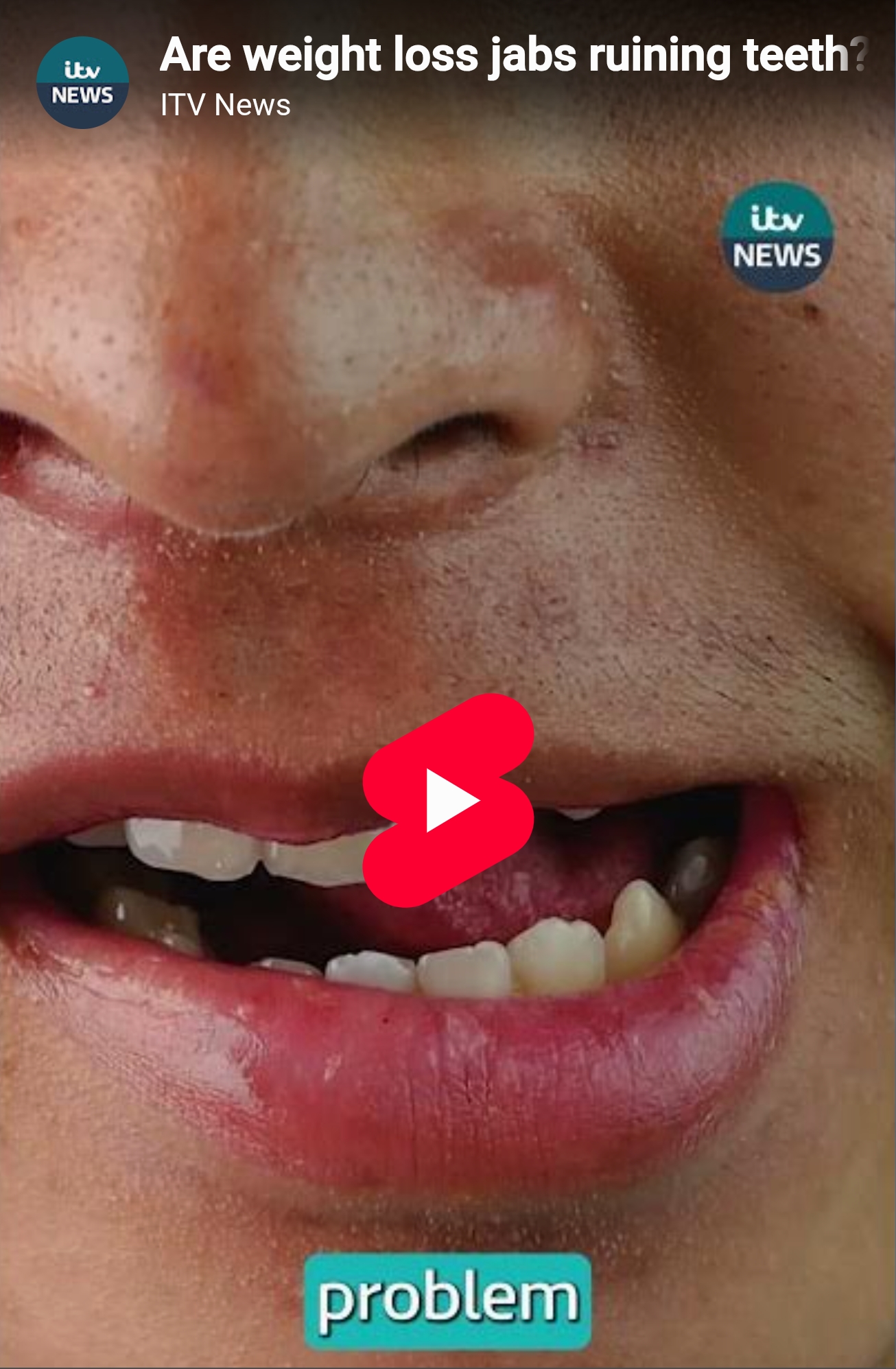
Ozempic Teeth: The Alarming New Side Effect Dentists Are Warning About
The weight loss revolution brought by GLP-1 medications like Ozempic has transformed millions of lives, but a concerning new side effect has dental professionals sounding the alarm. “Ozempic teeth” – a term coined by patients and dentists alike – describes a range of serious dental complications emerging among users of these popular medications.

What Are Ozempic Teeth?
Ozempic teeth refers to the collection of dental problems reported by patients taking GLP-1 receptor agonists, including semaglutide (Ozempic, Wegovy) and tirzepatide (Mounjaro, Zepbound). These issues range from minor discomfort to severe tooth damage that requires extensive dental work.
The phenomenon has reportedly caught the attention of dental professionals worldwide, with many reporting a noticeable increase in patients experiencing dental complications after starting GLP-1 therapy. Dr. Sarah Martinez, a periodontist in Chicago, shares: “I’ve seen a 40% increase in patients with severe gum disease and tooth decay since these medications became popular. The connection is becoming impossible to ignore.”
Warning Signs of Ozempic Teeth
Dentists are said to be urging patients to watch for these key symptoms:
• Increased tooth sensitivity to hot and cold temperatures
• Persistent dry mouth that doesn’t improve with hydration
• Visible enamel erosion appearing as white spots or thinning
• Gum irritation and inflammation with bleeding during brushing
• Receding gums exposing tooth roots
• Slower healing after dental procedures
• Bad breath that persists despite good oral hygiene
• Tooth decay developing rapidly, especially near the gum line
The Science Behind GLP-1 Dental Side Effects
Why do GLP-1 medications affect oral health? The answer may lie in how these drugs work throughout the body.
Reduced Saliva Production
GLP-1 medications can apparently decrease saliva production, creating an environment where harmful bacteria thrive. Saliva naturally cleanses the mouth and neutralizes acids produced by bacteria. When saliva flow decreases, teeth become more vulnerable to decay and gum disease.
Gastrointestinal Impact
The nausea and vomiting sometimes experienced with GLP-1 drugs expose teeth to stomach acid. This acid erosion weakens tooth enamel, making teeth more susceptible to decay and sensitivity.
Nutritional Changes
Patients may experience significant appetite suppression, leading to changes in eating patterns and nutritional intake. Reduced food consumption can affect the body’s ability to maintain healthy teeth and gums.
Possible Prevention Strategies for GLP-1 Users ( talk to your medical professional )
Protecting your teeth while taking GLP-1 medications requires a proactive approach:
Enhanced Oral Hygiene
• Brush teeth at least twice daily with fluoride toothpaste
• Use an electric toothbrush for more effective plaque removal
• Floss daily to remove bacteria between teeth
• Rinse with an antimicrobial mouthwash
Saliva Stimulation
• Chew sugar-free gum containing xylitol
• Use saliva substitutes or oral moisturizers
• Stay well-hydrated throughout the day
• Consider prescription saliva stimulants if needed
Dietary Modifications
• Avoid acidic foods and beverages when possible
• Rinse with water after vomiting episodes
• Wait at least 30 minutes before brushing after acid exposure
• Choose tooth-friendly snacks like cheese and nuts
Professional Dental Care Recommendations
Some dentists recommend more frequent visits for patients taking GLP-1 medications:
Increased Monitoring
Schedule dental cleanings every three to four months instead of the standard six months. This allows for early detection and treatment of problems before they become severe.
Preventive Treatments
• Professional fluoride applications to strengthen enamel
• Prescription-strength fluoride toothpaste
• Antimicrobial rinses to control bacterial growth
• Custom mouth guards if teeth grinding occurs
Communication with Healthcare Providers
Inform both your dentist and prescribing physician about all medications you’re taking. This ensures coordinated care and appropriate monitoring.
When to Seek Immediate Dental Care
Contact your dentist immediately if you experience:
• Severe tooth pain or sensitivity
• Visible chips, cracks, or loose teeth
• Persistent bleeding gums
• Signs of infection like swelling or pus
• Sudden changes in bite or jaw alignment
The Future of GLP-1 and Dental Health
Research into the connection between GLP-1 medications and dental health is ongoing. Pharmaceutical companies are reportedly beginning to acknowledge these concerns and may include dental health warnings in future prescribing information.
Balancing Benefits and Risks
The decision to continue GLP-1 therapy should involve weighing the significant health benefits against potential dental risks. For many patients, the cardiovascular and metabolic benefits outweigh the dental concerns, especially with proper preventive care.
Working closely with both your healthcare provider and dentist can help minimize risks while maintaining the benefits of these life-changing medications. Regular monitoring, enhanced oral care, and prompt treatment of any issues can help preserve your smile while you achieve your health goals.
Ozempic teeth may be a concerning new side effect, but with awareness, prevention, and proper care, patients can protect their oral health while benefiting from these revolutionary medications. The key is staying informed, vigilant, and proactive about dental care throughout your GLP-1 journey.
Remember: This information is not a substitute for professional medical or dental advice. Always consult with qualified healthcare professionals for personalized guidance regarding your specific situation.
IMPORTANT DISCLAIMER: We are not dentists and this is not medical advice. The information provided in this article is for educational purposes only. Always consult with qualified healthcare professionals, including your dentist and physician, before making any decisions about your oral health or medications.
Discover more from Your Assignment Editor
Subscribe to get the latest posts sent to your email.

