BLUESKY
TL;DR Key Takeaways:
- Norovirus cases are surging across the U.S., with 91 outbreaks reported in a single week—the worst spike in years.
- The virus spreads through contaminated food, surfaces, or close contact, causing vomiting and diarrhea.
- Experts recommend frequent handwashing with soap and water, avoiding food preparation while sick, and disinfecting surfaces with bleach solutions.
- Crowded spaces like schools, cruise ships, and nursing homes are common outbreak hotspots.
- The CDC warns that even a small number of viral particles can cause infection.
- With norovirus cases spiking in Minnesota, here’s how to avoid getting sick.
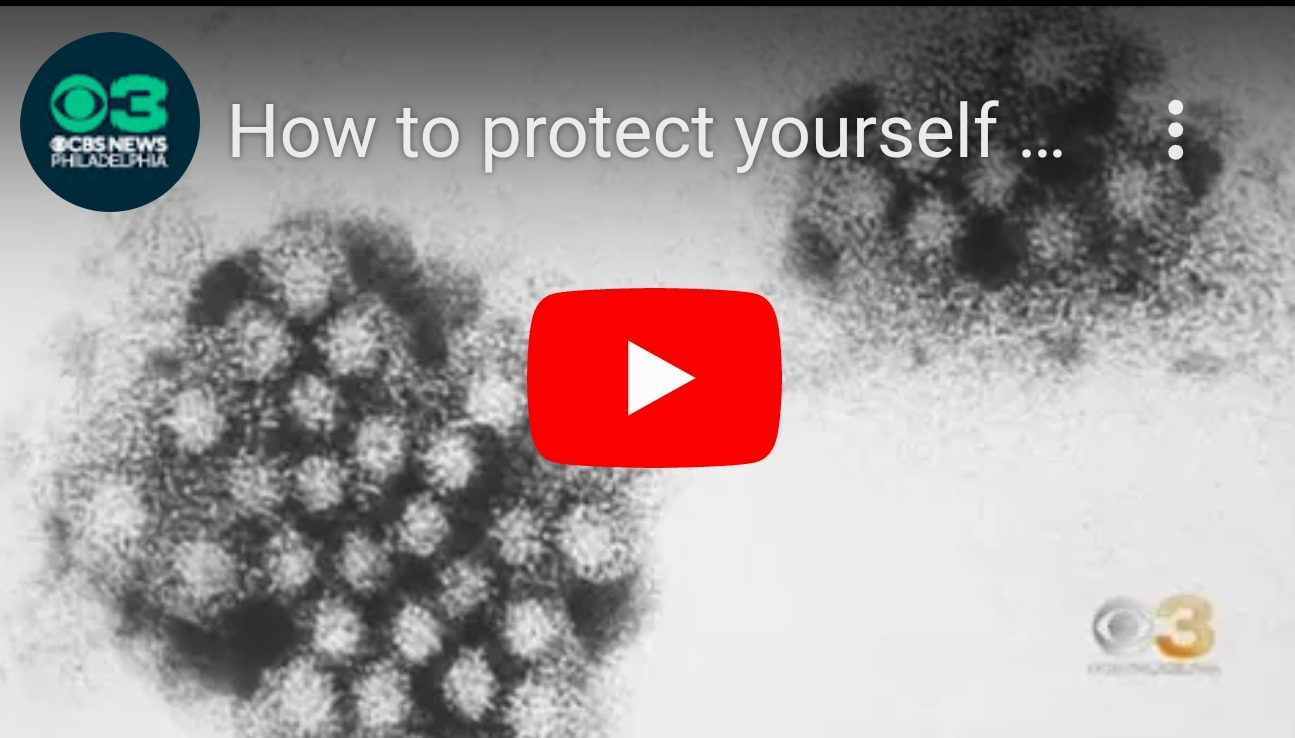
- What to know about the
highly-contagious norovirus surge
STOMACH FLU SURGE: Norovirus Cases Skyrocket—Are You Next?
In a troubling development for public health, norovirus cases—commonly referred to as the “stomach flu”—are exploding across the United States. With outbreaks spreading rapidly in crowded spaces like schools and nursing homes, experts are urging everyone to take precautions against this highly contagious virus.
What Is Norovirus?
Norovirus is a highly infectious virus that causes sudden bouts of vomiting and diarrhea. Often mistaken for food poisoning or the seasonal flu, it spreads easily through contaminated food, water, surfaces, or close contact with an infected person.The virus is notorious for its resilience—it can survive on surfaces for days and resists many common disinfectants. Even as few as 10 viral particles can cause an infection, making it one of the most contagious pathogens known.
Why Are Cases Surging Now?
According to the CDC, 91 outbreaks were reported in just one week—a significant jump from previous years during the same period. Experts attribute this surge to increased social interactions following years of pandemic-related restrictions and heightened monitoring by health agencies.
Outbreaks typically peak during winter months when people spend more time indoors in close quarters. Schools, cruise ships, nursing homes, and other communal settings are particularly vulnerable.
How to Protect Yourself
With norovirus spreading rapidly, here’s how you can minimize your risk of infection:
- Wash Your Hands: Use soap and water for at least 20 seconds—hand sanitizers are less effective against norovirus.
- Avoid Preparing Food When Sick: Wait at least 48 hours after symptoms stop before handling food for others.
- Disinfect Surfaces: Use bleach-based cleaners to sanitize high-touch areas like doorknobs and countertops.
- Cook Shellfish Thoroughly: Raw or undercooked shellfish is a common source of contamination.
- Handle Laundry Carefully: Wash contaminated clothing or linens in hot water and dry them on high heat.
Who Is Most at Risk?
While most healthy individuals recover within 1–3 days, norovirus can pose severe risks to certain groups:
- Young children: Dehydration can occur quickly.
- Elderly individuals: They are more likely to experience complications.
- Immunocompromised people: They may face prolonged illness or severe dehydration.
If symptoms persist or worsen, seek medical attention immediately.
What Happens Next?
As norovirus continues its rapid spread across the country, public health officials are closely monitoring outbreaks and urging people to prioritize hygiene practices. Will this surge lead to stricter guidelines in communal settings? And how can communities better prepare for future outbreaks? Stay tuned for updates as experts work to contain this growing public health threat.
Note: This article is for informational purposes only and does not constitute medical advice. Consult your healthcare provider for specific concerns or treatment options.
More:
- CDC: How to Prevent Norovirus
- ABC News: Norovirus Cases on the Rise
- Contagion Live: The Norovirus Surge Across the U.S.
BLUESKY
Discover more from Your Assignment Editor
Subscribe to get the latest posts sent to your email.

