FOLLOW US ON BLUESKY
TL;DR Key Takeaways:
- Avian flu outbreak confirmed at Wildlife World Zoo in Arizona
- Several animals died, including a cheetah, mountain lion, and exotic birds
- Zoo implements increased biosecurity measures and suspends some activities
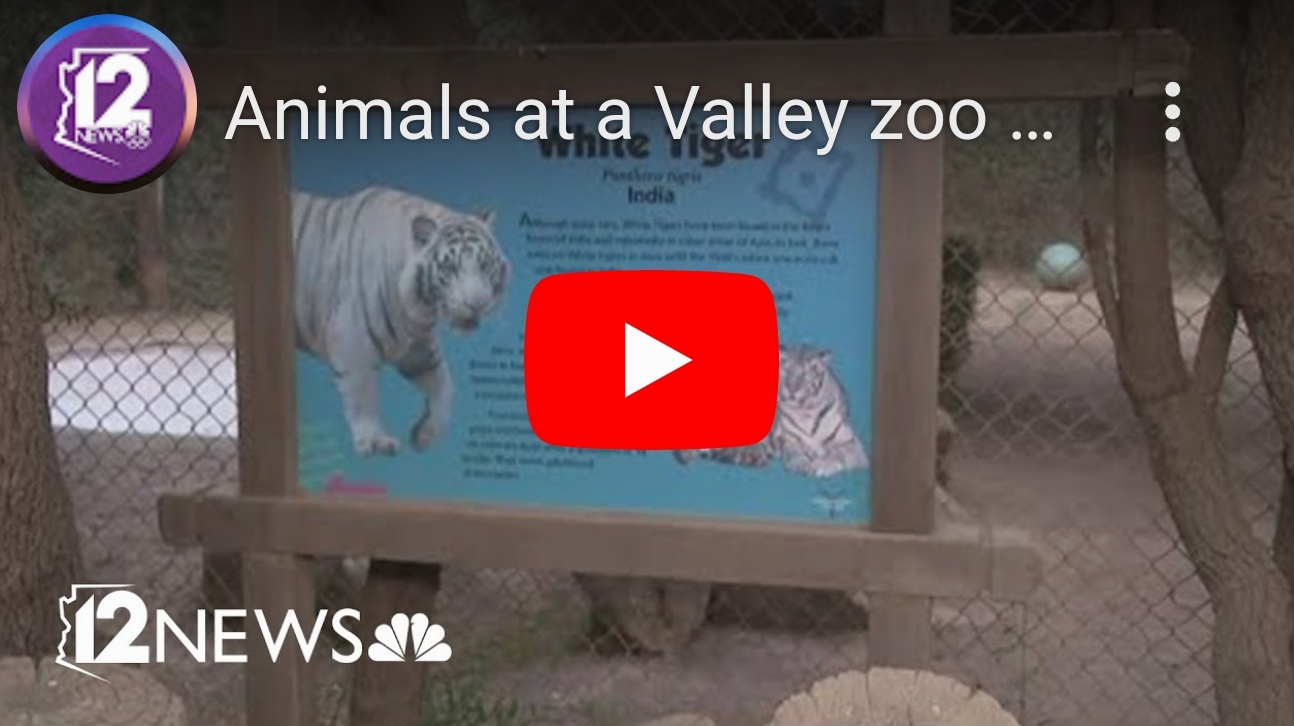
- White tiger tests positive but responding to treatment
- Public health officials monitoring situation, risk to public remains low
ZOO FLU FRENZY: Deadly Bird Virus Claims Exotic Animals!
In a concerning development that’s alarming animal lovers across Arizona, the Wildlife World Zoo has become the epicenter of an avian flu outbreak that’s claiming the lives of some of its most prized residents. This outbreak reportedly represents a significant animal health crisis that has zookeepers and health officials working tirelessly to contain its spread.
As the virus continues to affect various species, the primary concern is how to protect the remaining animals and prevent further deaths.
The Toll on Zoo Inhabitants
The outbreak has resulted in several tragic losses. According to media reports:
- A cheetah, one of the zoo’s big cat attractions, has succumbed to the virus
- A mountain lion, another prominent predator, has also died
- Among the avian victims are a swamphen, an Andean goose, and a kookaburra
- These losses represent a significant blow to the zoo’s diverse collection
The deaths of these animals highlight the virus’s ability to affect a wide range of species, both mammalian and avian.
Signs of Hope Amid the Crisis
Despite the grim news, there are some positive developments:
- A white tiger that tested positive is responding well to treatment
- This case provides valuable insights into potential recovery paths for infected animals
- The tiger’s progress offers a glimmer of hope in an otherwise dire situation
The survival of this infected tiger demonstrates that with proper care, some animals can overcome the virus.
Zoo’s Response to the Outbreak
The Wildlife World Zoo has implemented stringent measures to combat the spread. Including, according to media reports:
- Heightened biosecurity protocols are now in place throughout the facility
- Direct contact activities between guests and animals have been temporarily suspended
- Staff and volunteers are under close monitoring by health officials
These precautions are said to be crucial in preventing further transmission and protecting both animals and humans.
As Arizona grapples with this outbreak, it serves as a stark reminder of the vulnerability of captive wildlife to infectious diseases.
Health officials remain vigilant, emphasizing that while the risk to the general public remains low, the situation requires ongoing monitoring and swift action to prevent any potential spread beyond the zoo’s boundaries.
This outbreak at Wildlife World Zoo highlights the delicate balance between conservation efforts and the challenges posed by infectious diseases in captive animal populations. As the situation develops, it will likely inform future practices in animal care and disease prevention in zoos worldwide.
FOLLOW US ON BLUESKY
Discover more from Your Assignment Editor
Subscribe to get the latest posts sent to your email.

