FOLLOW US ON BLUESKY
Key Takeaways:
- Bird flu virus (H5N1) was detected in a batch of raw milk sold in California, prompting an urgent recall.
- The affected product was cream-top whole raw milk with a “Best By” date of November 27.
- Health officials urge consumers to return or dispose of the milk to avoid potential health risks.
- No illnesses have been reported yet, but experts warn that consuming contaminated raw milk could lead to serious symptoms.
BIRD FLU ALERT: Raw Milk Recalled in California After Virus Detected!
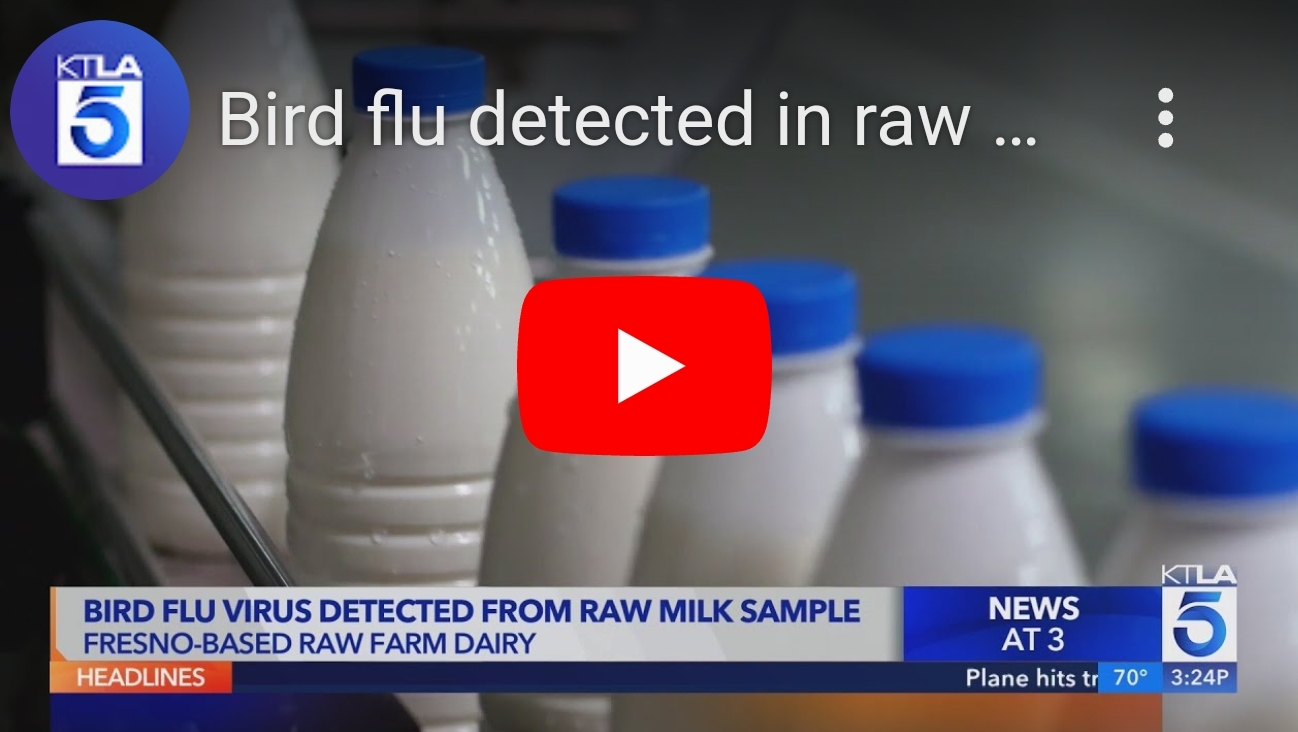
California health officials have issued an urgent warning after the bird flu virus (H5N1) was detected in a batch of raw milk sold at retail stores. The discovery has sparked concerns about the safety of unpasteurized dairy products and the potential risks to consumers. The affected batch has reportedly been voluntarily recalled by the producer, and health authorities are urging anyone who purchased it to return or dispose of it immediately.
What Happened?
The bird flu virus was found during routine testing:
- A sample of cream-top whole raw milk said to be from a Fresno County dairy tested positive for H5N1 during screening by Santa Clara County health officials.
- The California Department of Public Health confirmed the findings and announced the recall.
The affected product was distributed to multiple retail locations across the state.
Why Is This Dangerous?
Raw milk is unpasteurized, meaning it hasn’t undergone heat treatment to kill harmful bacteria and viruses:
- Experts warn that consuming raw milk contaminated with H5N1 could lead to flu-like symptoms such as fever, coughing, body aches, and fatigue.
- In rare cases, exposure to bird flu can result in severe respiratory illness or complications requiring hospitalization.
While no illnesses have been linked to this batch so far, health officials are urging caution due to the ongoing spread of bird flu among dairy cattle.
What Should Consumers Do?
If you have purchased this product, take immediate action:
- Do Not Consume It: Drinking contaminated raw milk could pose serious health risks.
- Return or Dispose: Return the product to the store where it was purchased for a refund or safely dispose of it at home.
- Monitor Symptoms: If you’ve consumed this milk and feel unwell, contact your doctor immediately for evaluation.
Health officials emphasize that pasteurized milk remains safe to drink.
Bird Flu in Dairy Cattle
The detection of bird flu in raw milk highlights a growing problem:
- Since March 2024, H5N1 has been spreading among U.S. dairy cattle, with California reporting 402 infected herds since August alone.
- The virus is typically associated with wild birds and poultry but has increasingly been found in other animals, including cows and even humans exposed to infected livestock.
California has become the epicenter of this outbreak due to its large dairy industry.
Public Health Response
Authorities are stepping up efforts to prevent further contamination:
- The California Department of Public Health is now reportedly testing raw milk twice weekly as part of enhanced surveillance measures.
- Retailers have reportedly been instructed to remove affected products from their shelves immediately.
Officials are also working closely with dairy farmers to ensure their herds are monitored and tested regularly.
The Debate Over Raw Milk
This incident has reignited debates about the safety of raw milk:
- Advocates argue that raw milk offers natural health benefits and superior taste compared to pasteurized options.
- However, public health experts warn that unpasteurized dairy products can harbor dangerous pathogens like Salmonella, E. coli, and now H5N1 bird flu.
The Centers for Disease Control and Prevention (CDC) strongly advises against consuming raw milk due to these risks.
Symptoms of Bird Flu Exposure
If you’ve come into contact with contaminated raw milk or suspect exposure to bird flu, watch for these symptoms:
- Fever or chills
- Coughing or sore throat
- Muscle aches or fatigue
- Eye redness or discharge
In severe cases, symptoms may progress to difficulty breathing or pneumonia.
What’s Next?
As investigations continue into this contamination, California health officials are urging residents to remain vigilant:
- Avoid consuming any unpasteurized dairy products unless they’ve been tested for safety.
- Follow updates from local health departments regarding recalls or new outbreaks.
This alarming discovery has left many questioning whether stricter regulations are needed for raw milk producers—and how consumers can better protect themselves from foodborne illnesses.
Health Disclaimer:
This article is for informational purposes only and should not be considered medical advice. Consult a healthcare professional if you suspect exposure or experience symptoms related to bird flu.
FOLLOW US ON BLUESKY
Discover more from Your Assignment Editor
Subscribe to get the latest posts sent to your email.

