Visit: our YouTube Channel
FOLLOW US ON BLUESKY
Key Takeaways:
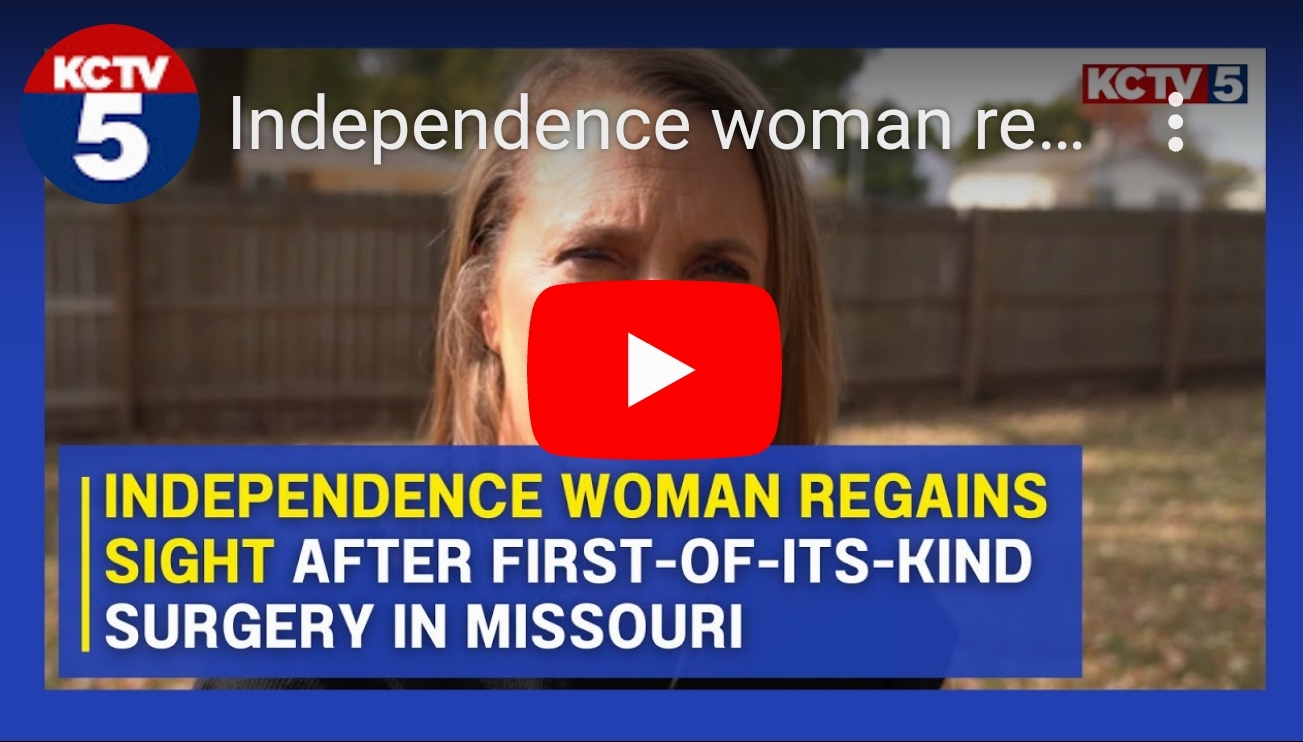
- A legally blind woman regained her sight after undergoing a first-of-its-kind AI-powered eye surgery.
- The procedure involved creating a digital clone of her eyes, allowing AI to simulate thousands of laser adjustments for precise treatment.
- Post-surgery, the woman achieved better-than-20/20 vision, marking a significant breakthrough in vision restoration.
- This revolutionary technology could pave the way for personalized eye surgeries and improved outcomes for millions suffering from severe vision problems.
Woman Regains Sight After Groundbreaking AI-Powered Surgery
In an extraordinary medical breakthrough, a legally blind woman has regained her sight following a first-of-its-kind AI-powered eye surgery. The procedure, which took place in London, has not only restored her vision but has given her better-than-20/20 eyesight—an achievement that has stunned both doctors and patients alike.
Revolutionary Eye Surgery: How It Works
The patient, who had been legally blind due to severe astigmatism and myopia, underwent a cutting-edge procedure that utilized artificial intelligence (AI) to create a personalized treatment plan. Here’s how it worked:
- Doctors created a digital clone of her eyes, allowing the AI system to simulate thousands of laser adjustments.
- The AI then determined the optimal laser treatment for her specific condition.
- Surgeons used this data to perform the procedure with unprecedented precision.
The result? The patient now enjoys better-than-perfect 20/16 vision, surpassing the standard 20/20 eyesight most people strive for.
AI and Robotics: The Future of Eye Care
This groundbreaking surgery is part of a larger trend in ophthalmology where AI and robotics are revolutionizing how we treat vision problems. By using advanced algorithms and machine learning:
- Surgeons can now perform highly personalized procedures tailored to each patient’s unique needs.
- Robotic systems enhance precision during delicate surgeries, reducing recovery times and improving outcomes.
This particular case marks the first time such advanced technology has been used in eye surgery, and it’s already showing promise for future applications.
What Is Eyevatar Technology?
The technology behind this life-changing procedure is known as Eyevatar, an advanced AI system that creates high-precision eye maps in under 10 minutes. Here’s what makes it so revolutionary:
- Eyevatar can replicate up to 2,000 laser beams, optimizing accuracy far beyond traditional methods.
- Clinical trials have shown that patients treated with Eyevatar achieve better-than-20/20 vision within three months.
This technology is now reportedly being used in countries like China and Australia and is expected to become more widely available as its success continues to grow.
A New Era for Vision Restoration
This successful surgery represents more than just one woman’s restored sight—it’s a glimpse into the future of personalized medicine. As AI continues to advance, we can expect:
- More tailored treatments for various medical conditions.
- Improved outcomes for patients suffering from complex health issues.
- Faster recovery times and fewer complications thanks to robotic precision.
For millions of people around the world struggling with severe vision problems, this breakthrough offers new hope that they too may one day regain their sight.
This remarkable story showcases the incredible potential of combining human expertise with cutting-edge technology. As AI continues to revolutionize healthcare, procedures like this one could soon become the norm, offering life-changing results for patients everywhere.
Stay tuned as we follow more developments in this exciting field—could this be the future of eye care? Share your thoughts below!
Visit: our YouTube Channel
FOLLOW US ON BLUESKY
Discover more from Your Assignment Editor
Subscribe to get the latest posts sent to your email.

