•Visit: our YouTube Channel•
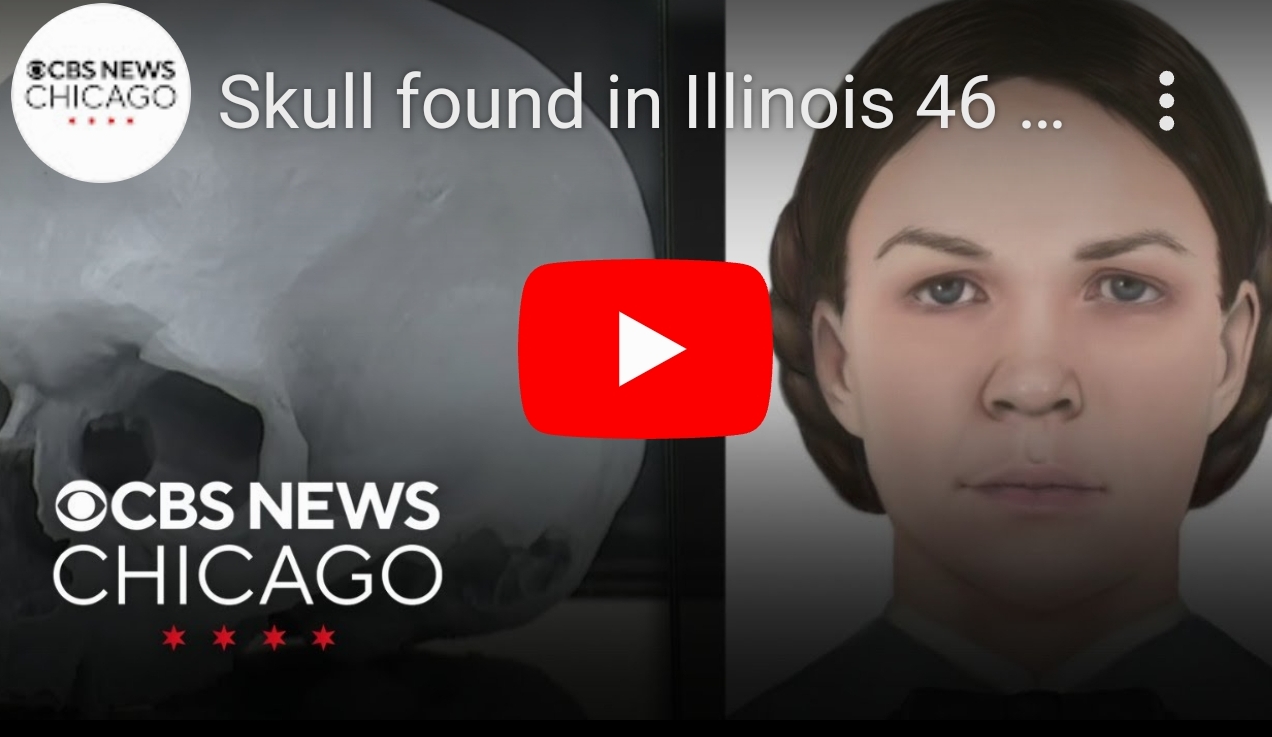
The Story: In a chilling discovery that has captivated the nation, the remains of a 19th-century teenager were found inside the walls of a suburban home in Batavia, Illinois.
The mystery began in 1978 when a homeowner stumbled upon a skull during renovations. The identity of the remains remained elusive for decades until modern DNA technology finally provided answers.
It turns out the skull belonged to a 17-year-old who died in 1866. Authorities believe her remains ended up in the wall due to grave robbers who likely exhumed her body to sell it to medical practitioners for anatomical study—a common but macabre practice of the time.
The identification of human remains, especially those found in unusual locations, involves sophisticated forensic techniques.
In this shocking case, DNA analysis played a crucial role. By extracting DNA from the skull and comparing it with living descendants, investigators confirmed her identity.
This method is part of a broader toolkit used by forensic experts, which also includes dental analysis and fingerprinting when applicable. Such techniques are vital in solving cold cases and providing closure to families.
The family residing in the Batavia home at the time of discovery was undoubtedly shocked by this gruesome find. While their reaction isn’t documented, such discoveries understandably can evoke a mix of horror and intrigue.
The process to identify the remains took nearly half a century, highlighting both the challenges and advancements in forensic science.
Discover more from Your Assignment Editor
Subscribe to get the latest posts sent to your email.

