•Visit: our YouTube Channel•
The Eco-Tech Insider: Where Sustainability Meets Innovation
Solar paint is a revolutionary technology that converts any surface into a renewable energy source. Key points:
- Uses synthetic molybdenum-sulphide to generate hydrogen fuel
- Potential applications include buildings, vehicles, and off-grid solutions
- Offers zero emissions and high resource efficiency
- Still in development, with challenges in efficiency and durability
Welcome to the inaugural edition of The Eco-Tech Insider, your deep dive into the exciting world where sustainability meets cutting-edge technology. Today, we’re shining our Green Innovations Spotlight on a breakthrough that could revolutionize how we harness solar energy: solar paint.
What is Solar Paint and How Does It Work?
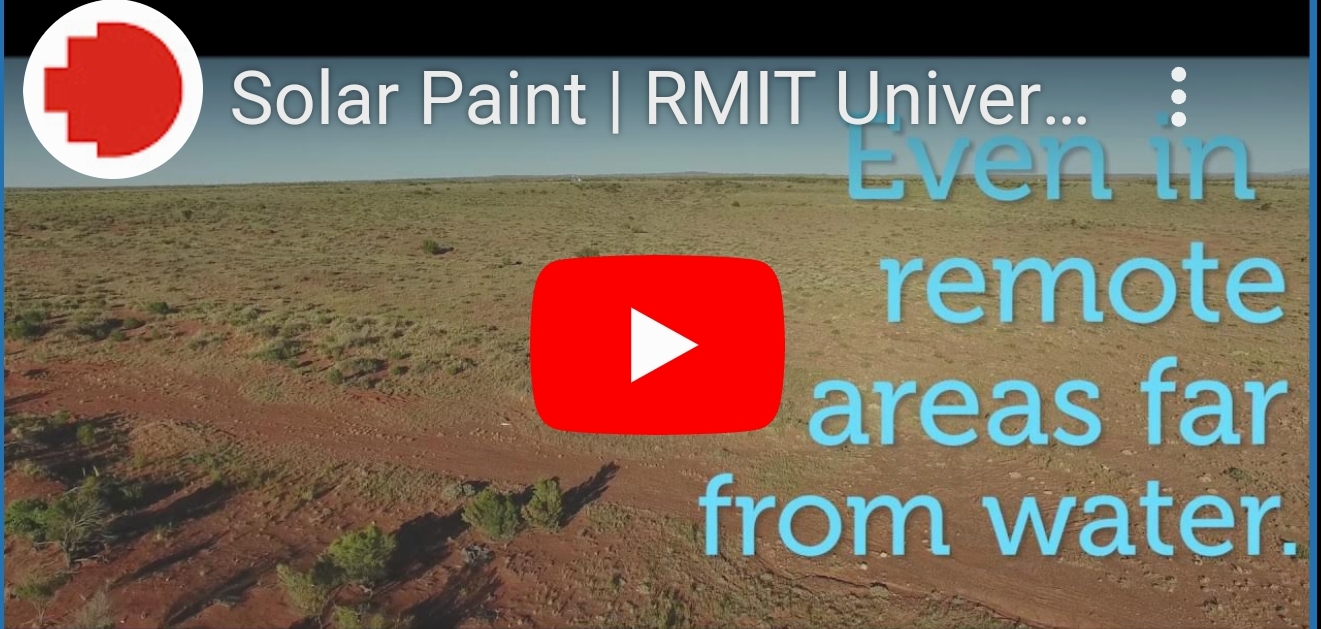
Solar paint is an innovative technology developed by researchers at the Royal Melbourne Institute of Technology (RMIT). This groundbreaking paint can generate hydrogen fuel from solar energy and moisture in the air, effectively turning any surface into a renewable energy source.
The Science Behind Solar Paint
The key component of solar paint is a newly developed compound called synthetic molybdenum-sulphide. This compound acts as both a semiconductor and a catalyst, enabling it to:
- Absorb solar energy
- Split water molecules into hydrogen and oxygen
- Produce hydrogen gas as a clean fuel source
When exposed to sunlight and moisture in the air, the paint initiates a chemical reaction that results in the production of hydrogen gas, which can be used as a clean fuel.
Potential Applications of Solar Paint Technology
1. Buildings as Power Plants
Solar paint could transform entire structures into energy generators, significantly reducing reliance on traditional power grids. This technology has the potential to revolutionize building design and construction, making structures self-sufficient in terms of energy production.
2. Solar-Powered Vehicles
By coating cars with solar paint, we could create vehicles that produce their own hydrogen fuel. This innovation could dramatically reduce the carbon footprint of the transportation sector and pave the way for more sustainable mobility solutions.
3. Off-Grid Energy Solutions
Solar paint could provide a simple and cost-effective way to bring power to remote areas without established electricity infrastructure, potentially improving quality of life in underserved regions.
Environmental Impact of Solar Paint
Solar paint represents a significant leap forward in sustainable energy production:
- Zero Emissions: The only byproduct is water vapor, making it an exceptionally clean energy source.
- Resource Efficiency: It utilizes abundant sunlight and moisture from the air, tapping into readily available natural resources.
- Reduced Carbon Footprint: Widespread adoption could dramatically decrease fossil fuel dependence, contributing to global efforts to combat climate change.
Challenges and Future Development
While solar paint technology shows great promise, it’s still in its early stages. Current challenges include:
- Improving efficiency
- Enhancing durability
- Scaling up production
- Conducting real-world trials
Researchers are actively working to address these challenges and bring solar paint closer to commercial viability.
What Solar Paint Means for Consumers
As an eco-conscious consumer, it’s important to stay informed about solar paint developments. While not yet commercially available, this technology could soon transform how we power our homes and vehicles. In the meantime, consider these current solar innovations:
The Future of Solar Paint Technology
Solar paint exemplifies the innovative spirit driving the eco-tech revolution. It’s a prime example of how thinking outside the box can lead to groundbreaking solutions for our energy needs. As research progresses, we can expect to see improvements in efficiency, durability, and scalability, bringing us closer to a future where any surface can be a source of clean energy.
Stay tuned to The Eco-Tech Insider check regularly on Your Assignment Editor for more exciting developments at the intersection of sustainability and technology. Next week, we’ll explore how AI is revolutionizing wildlife conservation efforts.
Discover more from Your Assignment Editor
Subscribe to get the latest posts sent to your email.

