•Visit: our YouTube Channel•
Sharks on Coke
Head-Spinning News: Sharks on a Coke Binge in Brazil!
What You Need to Know:
- Shocking Discovery: Sharks near Rio de Janeiro have tested positive for cocaine, revealing an unexpected side effect of human drug use.
- Health Concerns: The impact on shark health is unknown, but cocaine has harmed other marine life, and sharks are a food source for Brazilians.
- Environmental Impact: Drug pollution in marine life is a growing issue, and Brazil’s high cocaine consumption and poor sewage treatment are key factors.
- The Takeaway: This bizarre situation raises questions about the unexpected consequences of human activity on the environment and our health.
INTRO: A Startling Discovery
Sharks on a coke binge? It’s not a scene from a sci-fi movie but a shocking reality off the coast of Brazil. Sharks on Coke is a phrase we never thought we’d hear, but it’s a serious issue that has scientists scrambling for answers. This bizarre situation has left the scientific community and the public alike with many questions and concerns.
Brazil’s Sharks: A Cocaine Conundrum
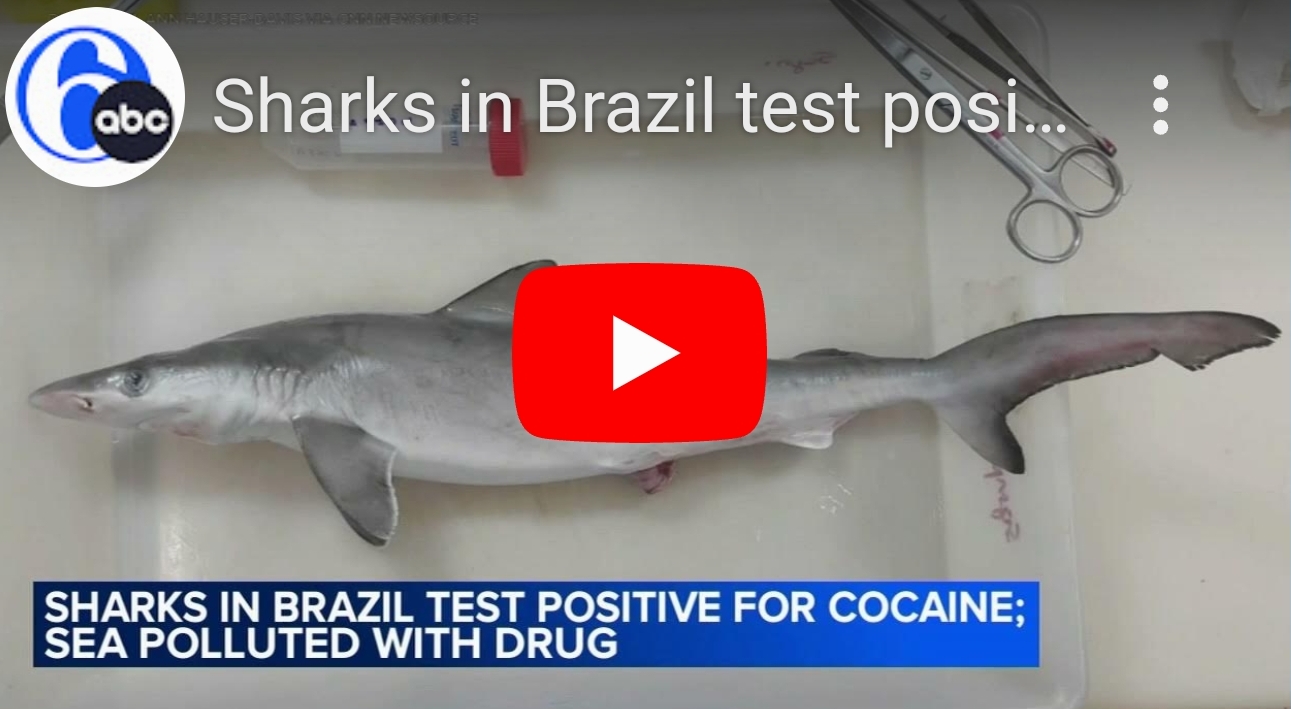
Brazilian sharpnose sharks are inadvertently becoming cocaine users. Scientists tested 13 of these sharks and found cocaine in their livers and muscle tissue. This is the first time the drug has been detected in free-roaming sharks, and the levels are alarming.
A Breakdown of What Happened:
- The Discovery: Researchers tested 13 Brazilian sharpnose sharks caught near Rio de Janeiro.
- Cocaine Presence: All sharks tested positive for cocaine, with the drug present in both their liver and muscle tissue.
- Higher Concentrations: Cocaine levels were three times higher in muscle tissue than in the liver, and female sharks had higher concentrations than males.
- Source of Contamination: The cocaine likely entered the sharks’ systems through sewage discharges containing the drug from human use and runoff from illegal drug production.
- Brazil’s Cocaine Consumption: Brazil’s high cocaine consumption, coupled with inadequate sewage treatment, has led to increased cocaine levels in coastal waters.
- Health and Environmental Concerns: While the effects on shark health are unknown, cocaine has harmed other marine life, and sharks are consumed by humans, raising concerns for both ecosystems and human health.
The shocking discovery has sparked concerns about the impact of drug pollution on marine life and the potential risks to humans who consume shark meat. With Brazil being the second-largest cocaine consumer market in South America, the issue is only expected to grow.
Effects and Unknowns
While the presence of cocaine is startling, the effects on the sharks are not yet understood. Previous research has shown that cocaine can be harmful to other marine life, including fish and mussels. There are worries that the drug could impact the health of these sharks and, by extension, the ecosystem they are a part of. Furthermore, as sharks are commonly eaten in Brazil and other parts of the world, there are valid concerns about the potential impact on human health.
The Human Connection
The cocaine in the sharks’ systems is believed to come from two main sources. Firstly, sewage discharges containing cocaine from human use. This is a result of inadequate sewage treatment in Brazil, which allows the drug to enter the coastal waters. Secondly, runoff from illegal drug production facilities contributes to the contamination. Brazil’s high consumption of cocaine, coupled with these environmental factors, has created a perfect storm for this unusual situation.
The Takeaway
This bizarre and concerning situation highlights how human activity can have unexpected consequences on the environment and, by extension, our health. It also underscores the importance of proper sewage treatment and the need to address the issue of drug pollution in our oceans.
As researchers continue to study this phenomenon, one can’t help but wonder what other surprises the ocean has in store for us.
Additional Sources:
Discover more from Your Assignment Editor
Subscribe to get the latest posts sent to your email.

