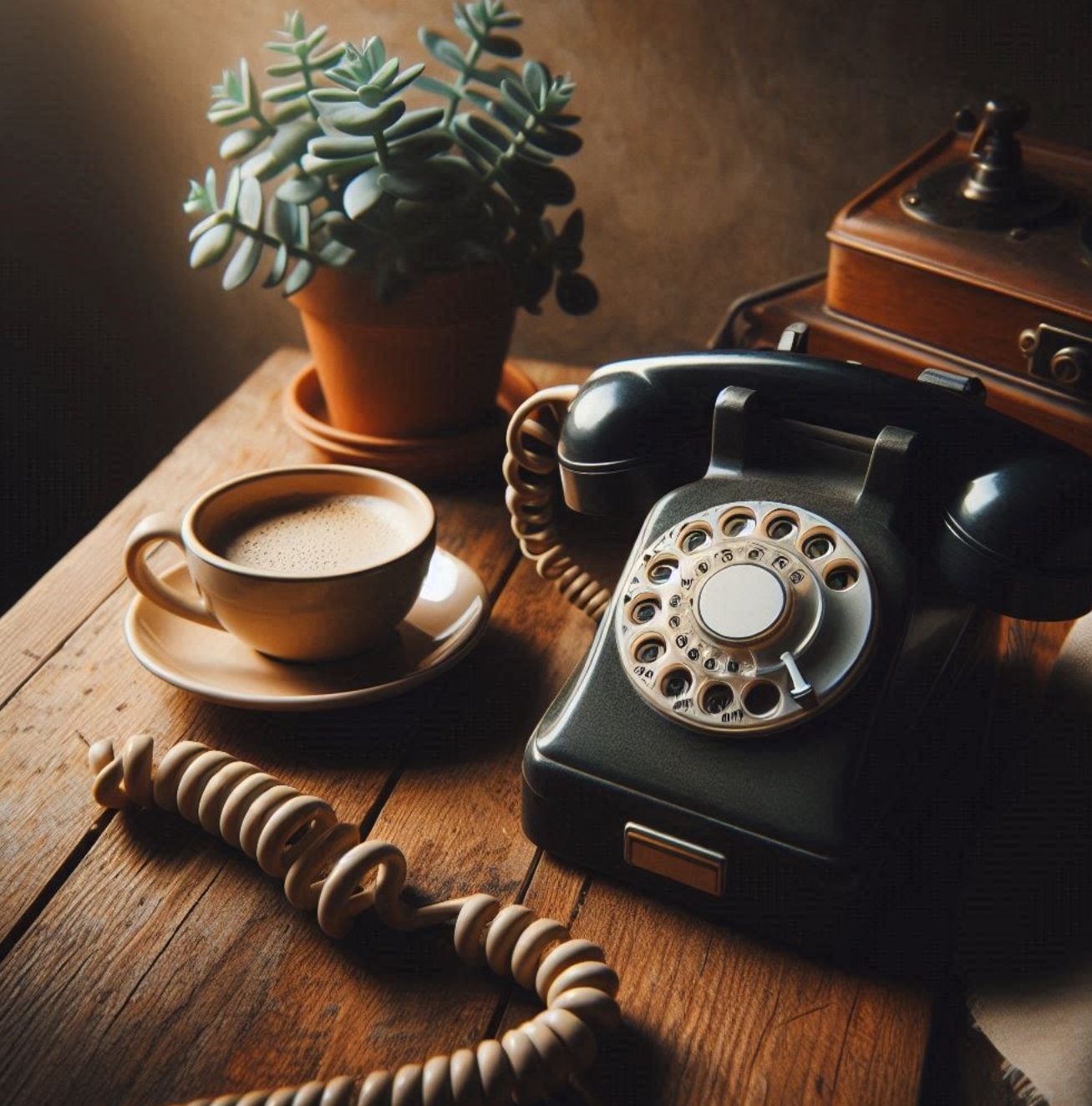

LOS ANGELES — In an era dominated by text messages, emails, and instant messaging, the once-common phone call is now often seen as an unexpected intrusion. The simple act of calling someone without prior notice has sparked a divide among friends, families, and co-workers, with strong opinions on both sides. Some view it as a convenient and efficient way to communicate, while others find it intrusive and annoying.
“Text First, Call Later” Mentality
Many individuals adhere to an unspoken rule: text first to inquire if the person is available to talk, and only then initiate a phone call. This approach is driven by a desire to respect the recipient’s time and attention. It also allows them to mentally prepare for the conversation, ensuring they are in an environment where they can focus and engage fully.
The rise of text-first culture can be attributed to the pervasive use of mobile phones and the instant accessibility they provide. A quick text message can determine the other person’s availability and preferences, making it a considerate choice in today’s fast-paced world.
Unexpected Calls: A Source of Annoyance
For some, the sound of a ringing phone without prior warning is a source of irritation. They argue that unexpected calls can interrupt their workflow, disrupt meetings, or disturb their peace and quiet. The notion of “caller entitlement,” where the caller’s urgency takes precedence over the recipient’s schedule, is a common gripe.
A study by the Pew Research Center found that 53% of adults in the United States prefer to send and receive text messages instead of making and receiving phone calls. This preference for texting is often linked to the convenience and control it offers to the recipient.
Advocates of Spontaneous Conversations
On the other side of the debate, there are those who cherish the spontaneity and warmth of a surprise phone call. They view it as a more personal and intimate form of communication, allowing for genuine connections and the free flow of ideas. In their eyes, the formality and delay of texting can hinder the natural rhythm of a conversation.
While the preference for spontaneous phone calls may vary across different age groups and demographics, it often stems from a desire for more direct and immediate interaction.
Navigating Etiquette in the Digital Age
As communication methods evolve, phone call etiquette continues to be a topic of discussion and debate. The core of the discussion revolves around respect for others’ time and preferences, with a growing emphasis on tailoring communication styles to suit different contexts.
Some feel there’s a growing sensitivity to the idea that different people have different preferences for how they like to be contacted.
Striking a Balance
The debate highlights the need to strike a balance between respecting personal boundaries and maintaining meaningful connections. While technology has given us more ways to communicate, it has also introduced new complexities and considerations.
As communication styles evolve, experts suggest being mindful of others’ preferences and adapting one’s approach accordingly. This may involve asking colleagues or friends about their preferred methods of communication and being open to adjusting one’s own habits.
Discover more from Your Assignment Editor
Subscribe to get the latest posts sent to your email.

