•Bookmark Your Assignment Editor•
•Fresh Updates Every Hour•
•Visit: our YouTube Channel•
How Squatters Took Over a Hollywood Mansion and What It Means for Property Rights
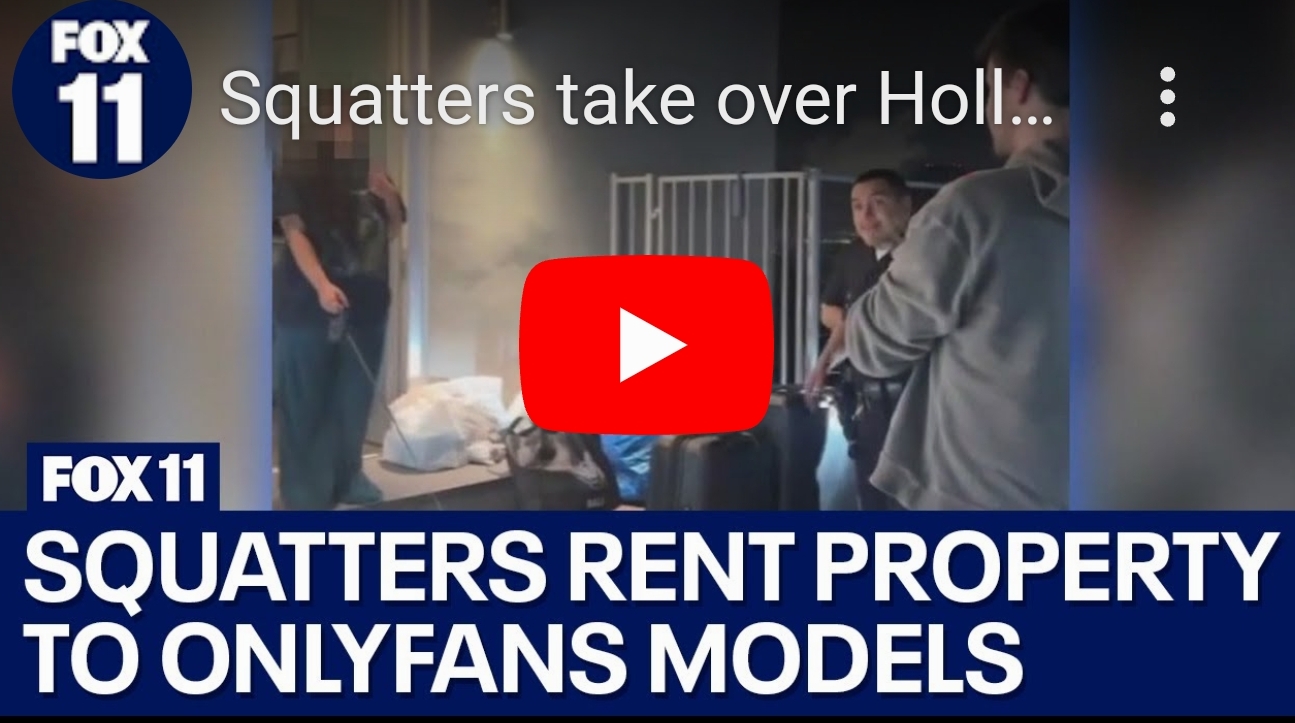
Imagine listing your luxury home for sale, only to find out that a group of squatters has moved in, thrown parties, and rented rooms to OnlyFans models.
That’s exactly what reportedly happened to the owners of a seven-bedroom Hollywood Hills mansion, who were shocked to discover that their property had been taken over by unauthorized occupants.
This incident raises some important questions about the legal and social implications of squatting, a phenomenon that involves occupying unused or abandoned buildings without the permission of the owner.
In this post, we will explore the following topics:
- What are squatters’ rights and how do they vary by state and country?
- What are some strategies and processes for removing squatters from your property?
- How can you prevent squatters from taking over your property in the first place?
What are Squatters’ Rights?
Squatters’ rights refer to the legal protections afforded to those who occupy unused or abandoned buildings without the permission of the owner.
While these protections vary depending on the country and state in question, they generally provide a degree of legal security to squatters who would otherwise be at risk of eviction or prosecution.
One of the main ways that squatters can gain legal rights is through a process known as adverse possession.
This refers to the legal principle that if someone occupies a property for a certain period of time without the owner taking action, they may gain legal ownership of the property.
For example, in England, if someone occupies a property for 10 years without the owner taking action to evict them, they may be able to claim ownership of the property through adverse possession.
Similar laws exist in many other countries, including the United States, Canada, and Australia.
However, adverse possession is a complex legal process, and squatters should seek legal advice before attempting to make a claim.
Additionally, there are often strict criteria that must be met for adverse possession to take effect, such as continuous possession, open and notorious use, and payment of taxes.
What are the Benefits and Drawbacks of Squatting?
Squatting is a controversial issue, with many arguments for and against it. Some of the benefits of squatting include:
- Providing affordable housing options for low-income or homeless people
- Utilizing vacant or derelict buildings that would otherwise be wasted or vandalized
- Creating alternative spaces for social and cultural activities
- Detering vigilante justice and promoting peaceful coexistence
Some of the drawbacks of squatting include:
- Infringing on property owners’ rights and interests
- Decreasing the value of surrounding properties and creating safety concerns
- Damaging the property or not paying for utilities
- Encouraging illegal or antisocial behavior
What are some Strategies and Processes for Removing Squatters from your Property?
Removing squatters from your property can be a challenging and frustrating task.
However, there are some strategies and processes that you can follow to reclaim your property, such as:
- Contacting the police and filing a report
- Serving an eviction notice and following the proper legal procedures
- Hiring a lawyer and filing a lawsuit
- Offering a cash-for-keys deal or other incentives
- Securing the property and preventing re-entry
How can you Prevent Squatters from Taking Over your Property in the First Place?
The best way to prevent squatters from taking over your property is to avoid leaving it vacant or unattended for long periods of time.
Some preventive measures that you can take include:
- Visiting the property regularly and inspecting it for signs of intrusion
- Installing security systems, locks, alarms, and cameras
- Hiring a property manager or a caretaker
- Renting or selling the property as soon as possible
- Posting no trespassing signs and fencing the property
Conclusion
Squatting is a complex and contentious issue that affects both squatters and property owners.
Squatters may gain legal rights through adverse possession laws, which can make it difficult for property owners to evict them.
Squatting also has benefits and drawbacks for both parties, depending on the situation and perspective.
To remove squatters from your property, you need to follow proper legal processes and eviction laws.
To prevent squatters from taking over your property, you need to secure it and monitor it regularly.
As the case of the Hollywood Hills mansion shows, squatting can have serious consequences for property owners, especially if they are unaware of the situation or the laws.
Therefore, it is important to be informed and vigilant about your property rights and to take action as soon as possible if you suspect or encounter squatters.
Discover more from Your Assignment Editor
Subscribe to get the latest posts sent to your email.

