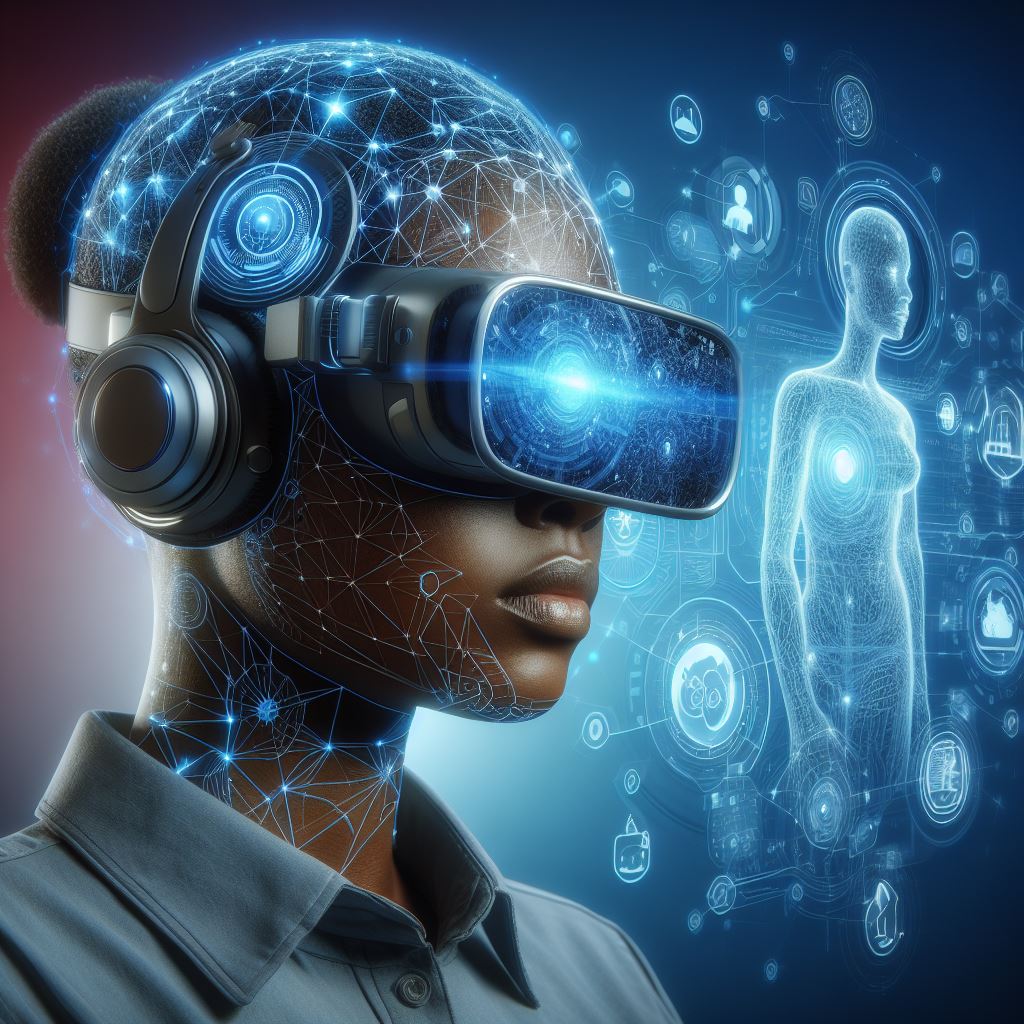
Imagine a future where humans and machines partner seamlessly, their complementary strengths unlocking unprecedented levels of progress.

This isn’t a distant sci-fi dream; it’s the dawning reality of the AI-powered workforce, where human-AI collaboration becomes the engine driving innovation and success.
While some might fear automation replacing humans, the truth is far more nuanced. AI isn’t replacing humans, it’s reshaping the future of work around our unique strengths.
This post delves into the exciting world of human-AI collaboration, exploring its benefits, challenges, and what it takes to form successful partnerships. We’ll navigate the ethical and social implications of this integration, equipping you with actionable insights to thrive in the AI-powered future.

Benefits of Human-AI Collaboration:
Imagine a surgeon guided by AI visualization highlighting critical tissues during surgery, or a customer service representative empowered by an AI assistant predicting customer needs and offering personalized solutions.
These are just glimpses of the possibilities unleashed by human-AI collaboration:
- Increased Productivity and Efficiency: AI automates repetitive tasks, freeing up human time for higher-order thinking and creative endeavors. Think automated data analysis, predictive maintenance, and AI-powered logistics optimizing workflow.
- Enhanced Innovation and Problem-Solving: AI’s ability to analyze vast amounts of data and generate novel solutions fuels breakthroughs in areas like scientific research, drug discovery, and product development. Humans, with their creativity and critical thinking, guide and interpret these insights, leading to better outcomes.
- Improved Customer Satisfaction: AI personalizes the customer experience, offering targeted recommendations, proactive support, and real-time insights. Humans bring empathy, emotional intelligence, and social touch to the interaction, building stronger relationships and trust.
Challenges and Best Practices:

While the benefits are undeniable, we must not shy away from the challenges posed by human-AI collaboration:
- Job displacement: Automation might indeed disrupt certain industries and job roles. However, it also creates new opportunities in AI development, data analysis, and human-machine interface design. Upskilling and reskilling will be crucial for navigating this transition.
- While it’s true that some industries and roles might undergo transformation, it’s crucial to remember that change and progress often go hand in hand. Just as the steam engine reshaped the 18th century workforce, AI promises to usher in a new era of opportunities. This doesn’t mean a passive acceptance of disruption; it calls for proactive adaptation and embrace of the exciting possibilities that lie ahead.
Think of it like scaling a mountain – the familiar path becomes obsolete, yet the summit beckons with breathtaking new vistas. The key lies in equipping ourselves with the tools to navigate this ascent. Upskilling and reskilling become our climbing gear, allowing us to develop the expertise needed to thrive in the AI-powered future. - This might involve delving into the fascinating world of AI development, where we can shape the very tools that drive progress. Data analysis, the unsung hero of decision-making, offers another rewarding path, empowering us to extract insights from the ever-growing ocean of information. And at the human-machine interface, where our unique strengths meet the precision of technology, lies a fertile ground for creativity and innovation.
By embracing lifelong learning and adaptability, we can transform the potential threat of job displacement into a springboard for growth and discovery. Remember, the future of work is not a zero-sum game where humans lose to machines; it’s a collaborative canvas where our unique talents and the power of AI intertwine to paint a brighter tomorrow. - Skill mismatch: As work evolves, the skills needed to succeed will change. Fostering lifelong learning, adaptability, and a growth mindset will be key for individuals and organizations alike.
- The landscape of work is not a stationary monument, but a living tapestry woven with threads of innovation and technological advancement. As this tapestry evolves, so too do the skills needed to navigate its intricate patterns. The specter of skill mismatch lurks at the edge of this transformation, a potential pitfall for individuals and organizations caught unprepared.
- But fear not, for this challenge needn’t be a looming shadow; it can become a rallying cry for lifelong learning and unwavering adaptability. Imagine, if you will, a skilled craftsman whose tools, once reliable, begin to lose their edge. Instead of clinging to outdated methods, they embrace the opportunity to learn new techniques, hone their skills on novel instruments, and become a master of the evolving craft. This, dear reader, is the essence of the growth mindset we must cultivate, both as individuals and as organizations.
- For individuals, fostering this mindset requires an insatiable curiosity and a thirst for knowledge. Explore online courses, attend workshops, engage in professional development opportunities, and embrace the discomfort of stepping outside your comfort zone. Remember, knowledge is not a stagnant pool; it’s a flowing river, ever-changing and offering endless tributaries for exploration.
- Organizations, too, must become incubators of continuous learning. Cultivate a culture where upskilling and reskilling are not mere buzzwords, but cornerstones of your identity. Invest in your employees’ growth, provide mentorship opportunities, and create platforms for knowledge sharing. Let your workplace be a fertile ground for learning, where new skills blossom and talents flourish, ensuring your organization remains nimble and adaptable in the face of change.
- By embracing lifelong learning, adaptability, and a growth mindset, we can transform the potential pitfalls of skill mismatch into opportunities for personal and organizational growth. We can become not just the weavers of our professional tapestries, but also the artisans who refine our tools, adapt to new patterns, and ultimately, create masterpieces of resilience and success in the ever-evolving landscape of work.
- Bias and trust issues: AI algorithms can inherit and amplify human biases. It’s crucial to develop and deploy AI systems with fairness and transparency in mind, building trust between humans and their AI partners.

To overcome these challenges and maximize the potential of human-AI collaboration, consider these best practices:
- Human-centric design: Design AI systems that complement and support human capabilities, not replace them. Focus on clear communication, explainability, and user-friendly interfaces.
- Continuous learning and feedback: Encourage a culture of ongoing learning and feedback loops, allowing humans and AI to learn from each other and continuously improve their collaboration.
- Ethical considerations: Establish ethical frameworks and standards for AI development and deployment, ensuring fairness, transparency, accountability, and respect for human values.
Skills and Mindsets for Success:
In this new human-AI landscape, certain skills and mindsets will be invaluable for effective collaboration:
- Critical thinking and creativity: AI excels at crunching numbers and optimizing processes, but humans bring the critical thinking and creativity to interpret data, ask the right questions, and generate innovative solutions.
- Emotional intelligence and empathy: While AI can analyze data, humans understand emotions and social nuances. This human touch is crucial for building trust, rapport, and effective communication with clients, colleagues, and even AI systems.
- Curiosity and adaptability: The future of work is dynamic and ever-evolving. Fostering a culture of curiosity, continuous learning, and adaptability will prepare us to embrace new challenges and opportunities alongside our AI partners.
Navigating the Future with AI:
Q: How can I prepare for the changes and opportunities brought by AI?
A: Focus on building transferable skills like critical thinking, communication, and problem-solving. Embrace lifelong learning, explore new technologies, and stay informed about the evolving landscape of the AI-powered workforce.
Q: How can I find and pursue my passion and purpose in the AI era?
A: Identify your core strengths and interests, then explore how they can apply to the world of AI. Consider roles in AI development, data analysis, human-computer interaction design, or ethical governance of AI systems.
Q: How can I balance the benefits and risks of AI in my work and life?
A: Maintaining a healthy balance requires awareness and proactive action. Be mindful of how AI tools are influencing your work-life boundaries, and make conscious choices about when to leverage AI and when to unplug. Advocate for ethical and responsible AI development and use, contributing to a future where humans and machines co-exist and thrive together.
Remember, the future of work is not about humans versus machines, but about humans and machines working together.
It is up to you if you choose to embrace this exciting journey of collaboration and co-creation, forging a future where humans and AI thrive side by side.

Stay up to date: Click here for more news and videos
Discover more from Your Assignment Editor
Subscribe to get the latest posts sent to your email.

