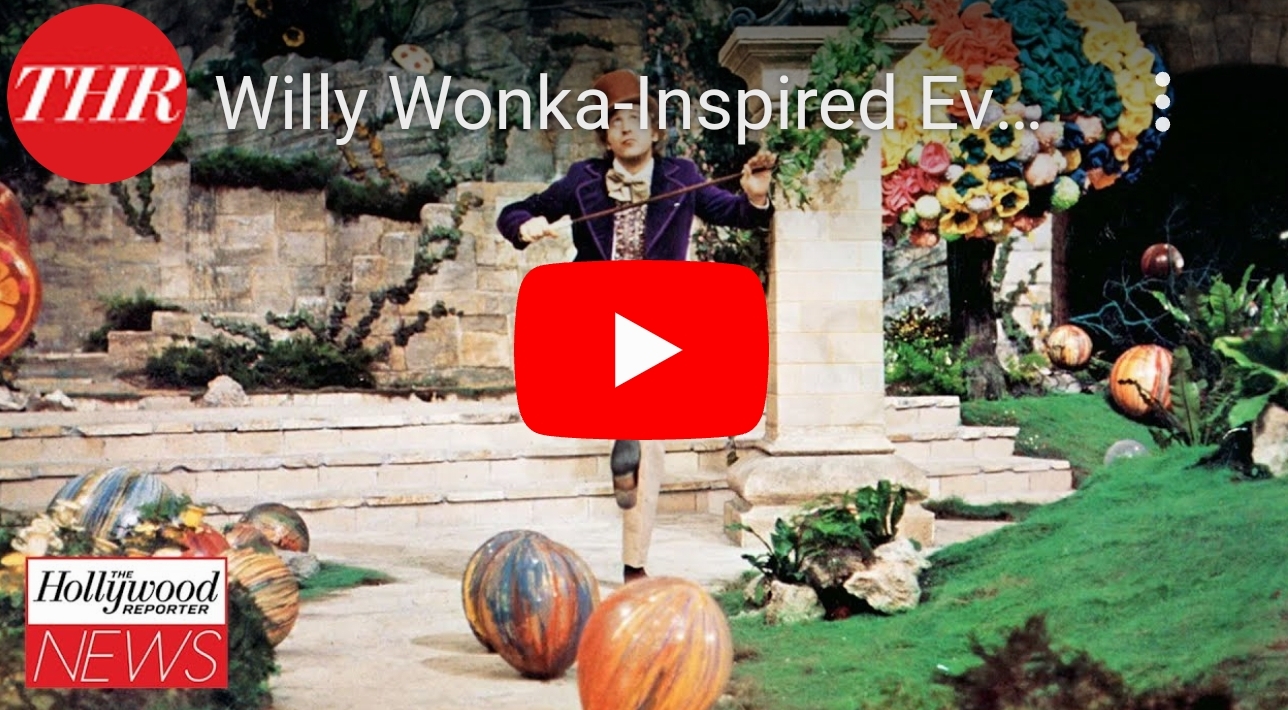
Stay up to date: Click here for more news and videos
UPDATE 1: ‘Willy Wonka’ UK Event Promoter Issues Second Apology, Promises Refunds
The Willy Wonka Experience That Turned Into a Nightmare
What was supposed to be a magical and immersive event inspired by the beloved children’s book and movie “Charlie and the Chocolate Factory” turned out to be a disaster that left many families angry, disappointed, and even scared.
The event, called “Willy’s Chocolate Experience”, was held at a warehouse in Glasgow, Scotland and reportedly promised chocolate fountains, Oompa Loompas, and optical illusions.
However, the reality was far from the expectations, as the attendees found a poorly decorated and empty space.
The event was reportedly so bad that some parents called the police to complain and demand refunds.
Here’s the Full AI-Generated Script From the Willy Wonka Disaster
Let’s explore why this event may have failed so miserably, and what lessons can be learned from it for future theme park and immersive experience designers.
The Importance of Theme Park Design
Theme park design is a complex and multidisciplinary process that involves creativity, engineering, storytelling, and entertainment.
Theme park designers aim to create immersive and memorable experiences that transport the guests to another world, where they can interact with the characters, settings, and stories of their favorite movies, books, or franchises.
Theme park design is also a lucrative business, as the global theme park market was valued at $51.44 billion in 2020, and is expected to grow at a compound annual growth rate of 6.7% from 2021 to 2028.
According to one theme park design expert with over 30 years of experience, theme park design is “a combination of scientific, analytical, and interpersonal skills, as well as collaboration and coordination among various professionals and agencies.
This designer has worked with some of the world’s leading entertainment brands, such as Disney, Universal, DreamWorks, Warner Brothers, and DC Comics, to create theme parks, attractions, and rides that delight millions of guests every year.
He says that theme park design is “not merely a two step process of drawing pretty pictures, then constructing the new project. The process is much more difficult and involved than what the general public is made aware of in documentaries and TV shows about this subject.”
Some of the key elements of theme park design are:
Theme: The theme is the central idea or concept that unifies and guides the design of the entire park or attraction. It can be based on a specific genre, story, character, culture, or location. The theme should be clear, consistent, and appealing to the target audience.
Story: The story is the narrative that connects the theme with the guests, and provides context, motivation, and emotion for the experience. The story should be engaging, coherent, and immersive, and should have a beginning, a middle, and an end.
Placemaking: Placemaking is the process of creating a sense of place, where the guests feel that they are in a real and believable environment, rather than a fabricated one. Placemaking involves the use of architecture, landscaping, lighting, sound, smell, and other sensory elements to create a realistic and immersive atmosphere.
Guest Experience: Guest experience is the overall impression and satisfaction that the guests have after visiting the park or attraction. Guest experience is influenced by many factors, such as the quality of the service, the safety and cleanliness of the facilities, the accessibility and convenience of the amenities, the level of interactivity and personalization, and the emotional impact of the experience.
Innovation: Innovation is the introduction of new and original ideas, methods, or technologies that enhance the theme, story, placemaking, and guest experience.
Innovation can involve the use of cutting-edge special effects, animatronics, virtual reality, augmented reality, or artificial intelligence, among others, to create novel and surprising experiences that wow the guests and keep them coming back for more.
The Failure of Willy’s Chocolate Experience
Willy’s Chocolate Experience, on the other hand, apparently failed to meet any of the criteria of theme park design.
The event was poorly planned, executed, and marketed, and did not deliver on its promises. The event organizers, reportedly did not have any experience or expertise in theme park design, and apparently did not consult with professionals in the field.
They also did not have a clear theme, story, or vision for the event, and did not conduct any market research or feasibility study to understand the needs and expectations of the potential guests.
Nor did it seem to have a realistic budget, schedule, or quality control for the event, and did not communicate effectively with the venue, the suppliers, the actors, or the guests.
The result was a chaotic and disappointing event that did not resemble the original source material, or any other theme park or immersive experience.
The event did not have any compelling guest experience, as the guests were rushed through the event, with no interaction, entertainment, or satisfaction. The event did not have any innovation, as the event reportedly used artificial intelligence to generate the script, the contract, and the advertisements, which resulted in nonsensical and misleading content.
Lessons Learned from Willy’s Chocolate Experience
Willy’s Chocolate Experience was a disaster that could have been avoided if the event organizers had followed the principles and practices of theme park design.
The event organizers should have hired or consulted with experts in the field, who could have helped them to create a theme, a story, a placemaking, a guest experience, and an innovation that matched the expectations and desires of the guests, and the essence and spirit of the book and movie.
The event organizers should have also done their homework, and researched the market, the audience, the venue, the suppliers, the actors, and the ethical implications of the event.
The failure of Willy’s Chocolate Experience is a lesson for all theme park and immersive experience designers, as well as for all guests and consumers.
It shows the importance of theme park design, and the challenges and complexities involved in creating successful and satisfying experiences.
It also shows the need for critical thinking, and the responsibility of checking the credibility and validity of the information and claims presented by the event organizers. And it shows the value of feedback, and the opportunity of learning from mistakes and improving for the future.
Conclusion
Willy’s Chocolate Experience was a Willy Wonka-themed event that turned into a nightmare for many families who attended it.
The event was poorly designed, executed, and marketed, and did not deliver on its promises. The event did not have any guest experience, or innovation.
The whole sad affair was a sad lesson for all theme park and immersive experience designers, and for all guests and consumers. It shows the importance of theme park design, and the need for critical thinking, feedback, and improvement.
Stay up to date: Click here for more news and videos
Discover more from Your Assignment Editor
Subscribe to get the latest posts sent to your email.

