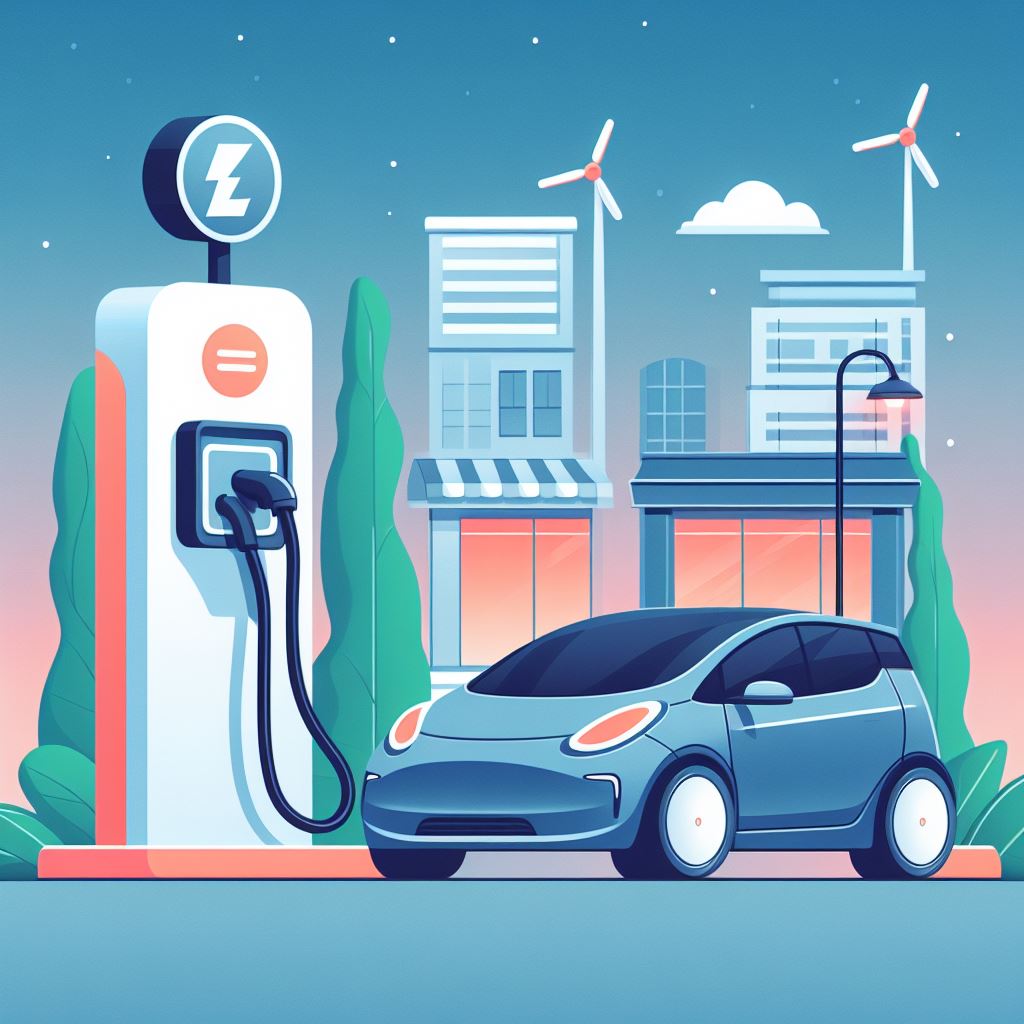

If you own an electric vehicle (EV), you know how important it is to find a reliable and convenient place to charge your battery. Unlike gas stations, EV charging stations are not as widespread and easy to access. You may have to plan ahead, do some research, or use some apps to locate the best EV charging stations near you.
In this post, we will cover the following topics:
- The different types and levels of EV charging stations, and how to choose the best one for your vehicle and needs.
- The best ways to find EV charging stations near you, using apps, websites, or maps.
- The benefits and drawbacks of using public or private EV charging stations, and how to compare the costs and availability of each option.
- The tips and best practices for using EV charging stations safely and efficiently, and how to avoid common issues or problems.

Types and Levels of EV Charging Stations
Before you start looking for EV charging stations, you need to understand the different types and levels of charging that are available. Depending on your vehicle model, battery capacity, and driving range, you may need a different level of charging to suit your needs.
There are three main types of EV charging stations: AC Level 1, AC Level 2, and DC Fast Charging. Here is a brief overview of each type:
- AC Level 1: This is the slowest and simplest type of charging, which uses a standard 120-volt outlet. You can plug your EV into any regular wall socket at home or at work, and get about 2 to 5 miles of range per hour of charging. This type of charging is suitable for overnight or long-term charging, or for vehicles with small batteries and low range.
- AC Level 2: This is the most common and versatile type of charging, which uses a 240-volt outlet. You can find this type of charging at many public or private locations, such as parking lots, hotels, malls, or workplaces. You can also install a Level 2 charger at home, if you have the proper wiring and circuit breaker. You can get about 10 to 20 miles of range per hour of charging with this type of charging. This type of charging is suitable for daily or regular charging, or for vehicles with medium to large batteries and moderate to high range.
- DC Fast Charging: This is the fastest and most expensive type of charging, which uses a high-voltage direct current (DC) outlet. You can find this type of charging at some public locations, such as highways, rest areas, or gas stations. You can get about 60 to 80 miles of range in 20 minutes of charging with this type of charging. This type of charging is suitable for occasional or emergency charging, or for vehicles with large batteries and long range.
To choose the best type and level of charging for your vehicle and needs, you need to consider the following factors:
- Your vehicle model and battery capacity: Different EVs have different battery sizes and charging capabilities. Some EVs can only use Level 1 or Level 2 charging, while others can use all three types of charging. You need to check your vehicle manual or manufacturer website to find out what type of charging your EV can use, and how fast it can charge.
- Your driving range and frequency: Depending on how far and how often you drive, you may need a different level of charging to keep your battery full. If you drive short distances and infrequently, you may be able to use Level 1 charging at home or at work. If you drive long distances and regularly, you may need to use Level 2 or DC Fast Charging at public or private locations.
- Your budget and convenience: Different types and levels of charging have different costs and availability. Level 1 charging is the cheapest and easiest to access, but it is also the slowest and least efficient. Level 2 charging is the most common and versatile, but it may require some installation or subscription fees. DC Fast Charging is the fastest and most convenient, but it is also the most expensive and scarce. You need to balance your budget and convenience with your charging needs and preferences.

Ways to Find EV Charging Stations Near You
Once you know what type and level of charging you need, you can start looking for EV charging stations near you. There are several ways to find EV charging stations, such as using apps, websites, or maps. Here are some of the best ways to find EV charging stations near you:
- Apps: There are many apps that can help you locate and navigate to EV charging stations near you. Some of the most popular and useful apps are PlugShare, ChargePoint, EVgo, and Electrify America. These apps can show you the location, type, level, availability, price, and reviews of EV charging stations near you. You can also filter, sort, and bookmark the stations that suit your needs. Some apps can also let you pay, reserve, or start the charging session from your phone.
- Websites: There are also many websites that can help you find and compare EV charging stations near you. Some of the most popular and useful websites are PlugShare, ChargeHub, Open Charge Map, and Alternative Fuels Data Center. These websites can show you the same information as the apps, but on a larger screen and with more details. You can also plan your trip, calculate your cost, and join the community of EV drivers on these websites.
- Maps: There are also some maps that can help you visualize and explore the EV charging stations near you. Some of the most popular and useful maps are Google Maps, Apple Maps, and Waze. These maps can show you the location, type, level, and availability of EV charging stations near you. You can also get directions, traffic, and ETA to the stations on these maps. Some maps can also integrate with the apps or websites to provide more information and functionality.
Benefits and Drawbacks of Public or Private EV Charging Stations
Depending on where you live and where you travel, you may have access to different types of EV charging stations: public or private. Public EV charging stations are those that are open and accessible to anyone, such as those at highways, rest areas, or gas stations. Private EV charging stations are those that are restricted and exclusive to certain users, such as those at homes, workplaces, or hotels. Both types of EV charging stations have their benefits and drawbacks, and you need to weigh them carefully before choosing the best one for you.
Some of the benefits of public EV charging stations are:
- They are widely available and convenient, especially for long-distance or emergency charging.
- They are fast and efficient, especially for DC Fast Charging.
- They are compatible and standardized, especially for Level 2 and DC Fast Charging.
Some of the drawbacks of public EV charging stations are:
- They are expensive and variable, depending on the provider, location, and demand.
- They are crowded and competitive, especially during peak hours or seasons.
- They are unreliable and inconsistent, depending on the maintenance, quality, and availability.
Some of the benefits of private EV charging stations are:
- They are cheap and fixed, especially for Level 1 and Level 2 charging.
- They are secure and exclusive, especially for home or workplace charging.
- They are flexible and customizable, especially for Level 2 charging.
Some of the drawbacks of private EV charging stations are:
- They are limited and scarce, especially for DC Fast Charging.
- They are slow and inefficient, especially for Level 1 charging.
- They are incompatible and diverse, especially for Level 1 charging.
Tips and Best Practices for Using EV Charging Stations
Finally, here are some tips and best practices for using EV charging stations safely and efficiently, and how to avoid common issues or problems:
- Plan ahead and do your research: Before you go on a trip or a drive, make sure you plan your route and your charging stops. Use the apps, websites, or maps to find the best EV charging stations near you, and check their type, level, availability, price, and reviews. Also, check your vehicle’s battery level, range, and charging capability, and estimate how much and how often you need to charge.
- Follow the etiquette and rules: When you use an EV charging station, make sure you follow the etiquette and rules of the station and the provider. For example, don’t park or block the station if you are not charging, don’t unplug or damage the station or the cable, don’t overstay or hog the station, and don’t litter or vandalize the station. Also, pay attention to the signs, instructions, and warnings of the station and the provider, and follow them accordingly.
- Be prepared and flexible: When you use an EV charging station, be prepared and flexible for any unexpected situations or problems. For example, bring your own charging cable or adapter, in case the station doesn’t have one or it is incompatible with your vehicle. Also, have a backup plan or an alternative option, in case the station is out of order, occupied, or unavailable. And, be courteous and respectful to other EV drivers and users, and communicate and cooperate with them if needed.

Stay up to date: Click here for more news and videos
Discover more from Your Assignment Editor
Subscribe to get the latest posts sent to your email.

