https://electrek.co/2024/02/26/ford-stops-2024-f-150-lightning-shipments-trucks-pile-up/
Ford Halts F-150 Lightning Shipments as Trucks Pile Up
The Ford F-150 Lightning, the electric version of America’s best-selling pickup truck, has been facing some serious challenges since its launch in 2023.
The truck, which has received rave reviews from critics and customers alike, has been plagued by production delays, software glitches, and quality issues.
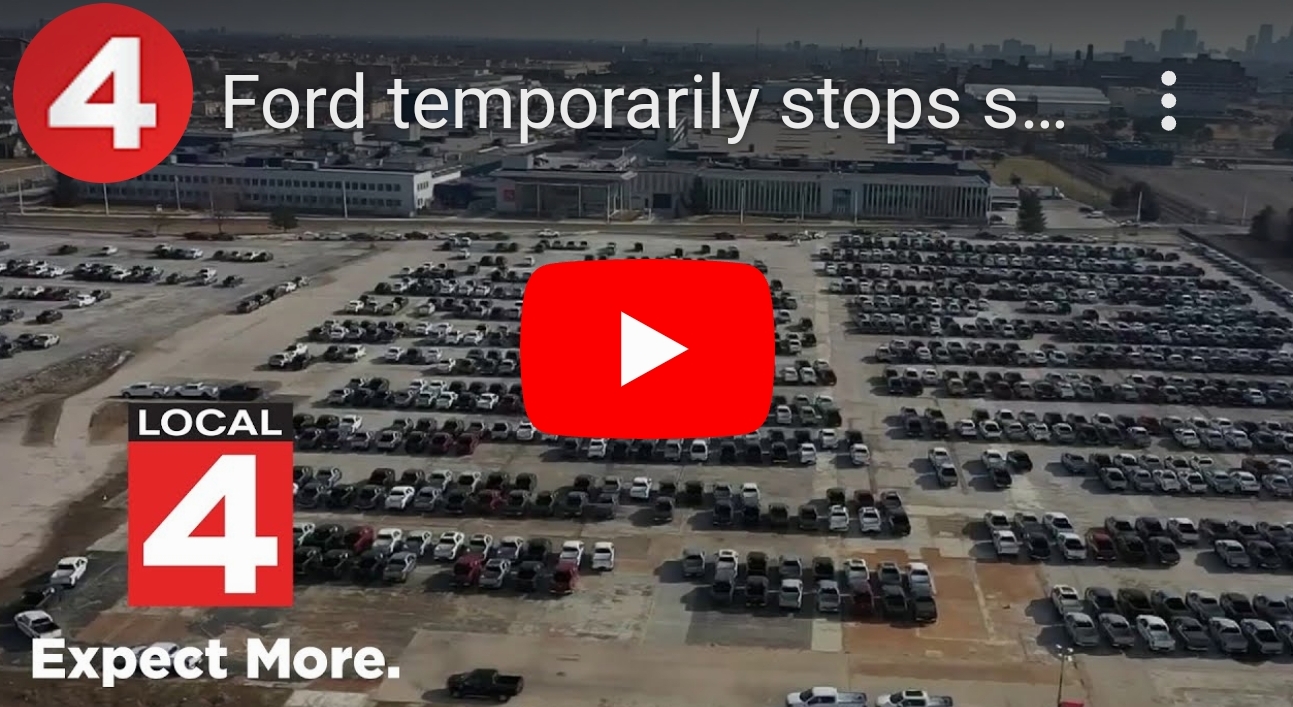
As a result, Ford has stopped shipping the F-150 Lightning to dealers and customers, and has been storing thousands of trucks in parking lots across the country, waiting for fixes and inspections.
In this post, we will explore the reasons behind Ford’s decision to halt the F-150 Lightning shipments, and the implications for the company, the customers, and the electric vehicle industry.
The Causes of the F-150 Lightning Problems
The F-150 Lightning is a complex and sophisticated vehicle, combining the traditional features and capabilities of a pickup truck with the advanced technology and innovation of an electric vehicle.
The truck boasts impressive performance, range, and utility, as well as a host of smart features, such as a large touchscreen, a digital instrument cluster, a power frunk, and an onboard generator.
The truck also supports over-the-air software updates, which allow Ford to remotely enhance and improve the vehicle’s functionality and performance.
However, these features and technologies also come with challenges and risks, especially for a new and untested product. According to an automotive analyst and executive analyst “the F-150 Lightning is a groundbreaking vehicle that represents a huge leap forward for Ford and the electric vehicle industry. But it also represents a huge challenge for Ford, as it has to deal with the inherent complexity and uncertainty of developing and producing a new vehicle, especially one that relies heavily on software and electronics.”
Some of the main causes of the F-150 Lightning problems reportedly are:
- Supply chain disruptions: The global semiconductor chip shortage, which has affected the entire automotive industry, has also hit Ford hard, forcing it to cut production and prioritize its most profitable models. The F-150 Lightning, which requires more chips than a conventional vehicle, has been one of the victims of this shortage, as Ford has struggled to secure enough chips to meet the demand. The chip shortage has also affected other components and suppliers, creating bottlenecks and delays in the production.
- Software bugs: The F-150 Lightning, like many modern vehicles, relies heavily on software to control and manage its various systems and features. However, software can also be prone to errors, glitches, and vulnerabilities, which can affect the vehicle’s performance, safety, and security. Ford has acknowledged that some of the F-150 Lightning trucks have software issues that need to be fixed before they can be delivered to customers. The company has also recalled some of the trucks that have already been delivered, citing software-related problems with the battery management system and the powertrain control module.
- Quality issues: The F-150 Lightning, as a new and innovative product, also faces the challenge of ensuring high quality and reliability, which are essential for customer satisfaction and loyalty. Ford has stated that it is conducting rigorous inspections and tests on the F-150 Lightning trucks before they are shipped, to ensure that they meet the company’s standards and expectations. However, some customers and reviewers have reported quality issues with the F-150 Lightning, such as misaligned panels, faulty sensors, and defective parts.
The Implications of the F-150 Lightning Problems
The F-150 Lightning problems have significant implications for Ford, the customers, and the electric vehicle industry, as follows:
- For Ford: The F-150 Lightning is a crucial product for Ford, as it represents the company’s commitment and ambition to electrify its lineup and compete in the rapidly growing electric vehicle market. The F-150 Lightning is also a key part of Ford’s strategy to leverage its iconic and profitable F-Series brand, and to appeal to a broad and loyal customer base. However, the F-150 Lightning problems have tarnished Ford’s reputation and credibility, and have eroded customer confidence and trust. The problems have also cost Ford time and money, as it has to fix and inspect the trucks, compensate the customers, and deal with potential lawsuits and regulatory actions.
- For the customers: The F-150 Lightning customers, who have placed over 200,000 reservations for the truck, have been eagerly awaiting the delivery of their vehicles, which were supposed to start in late 2023. However, the F-150 Lightning problems have caused frustration and disappointment among the customers, who have faced uncertainty and delays in receiving their trucks. Some customers have also experienced quality issues and recalls with their trucks, which have affected their satisfaction and enjoyment. The problems have also raised doubts and concerns among the customers about the reliability and durability of their vehicles, and the availability and quality of service and support from Ford.
- For the electric vehicle industry: The F-150 Lightning is a significant product for the electric vehicle industry, as it is the first electric version of America’s best-selling pickup truck, and one of the most anticipated and hyped electric vehicles of recent times. The F-150 Lightning has the potential to expand and transform the electric vehicle market, by attracting new and mainstream customers, especially truck buyers, who have traditionally been reluctant or skeptical about electric vehicles. However, the F-150 Lightning problems have also cast a shadow over the electric vehicle industry, and have created a negative perception and image of electric vehicles, especially among the general public and the media. The problems have also given an advantage to Ford’s rivals, such as Tesla, Rivian, and Chevrolet, who are also launching their own electric pickup trucks in the near future .
Conclusion
The F-150 Lightning is a groundbreaking and impressive vehicle, that combines the features and capabilities of a pickup truck with the technology and innovation of an electric vehicle.
The truck has received positive reviews and strong demand from critics and customers alike, and has the potential to revolutionize the electric vehicle industry.
However, the truck has also faced serious problems, such as supply chain disruptions, software bugs, and quality issues, which have forced Ford to stop shipping the truck to dealers and customers, and to store thousands of trucks in parking lots across the country.
The problems have significant implications for Ford, the customers, and the electric vehicle industry, as they affect the reputation, credibility, confidence, trust, satisfaction, and loyalty of all the stakeholders involved.
The problems also pose a challenge and an opportunity for Ford, as it has to fix and resolve the problems as soon as possible, and to deliver on its promises and expectations, in order to regain and retain its competitive edge and market leadership in the electric vehicle segment.
Stay up to date: Click here for more news and videos
Discover more from Your Assignment Editor
Subscribe to get the latest posts sent to your email.

